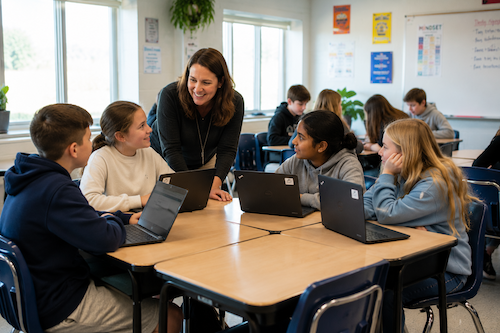
# Learning Outcomes Depend on Consistency and Teacher Communication
A student's educational experience varies wildly depending on which classroom they enter each day. One teacher may recognize a student's strengths and provide encouragement. Another teacher in the same building may overlook that same student's potential and underestimate their abilities.
This inconsistency undermines student learning and development. When students encounter different expectations, teaching styles, and levels of engagement across classrooms, they struggle to build momentum academically and socially. The problem extends beyond individual teacher performance. Schools that lack unified communication systems and shared instructional approaches create fragmented experiences that leave students uncertain about what their teachers believe they can achieve.
Research on school culture consistently shows that student outcomes improve when districts establish clear, consistent standards for teaching practice. When teachers communicate regularly about student progress, share successful strategies, and align their expectations, students benefit. They know what to expect. They understand that their growth matters to the entire school community, not just one sympathetic teacher.
Districts addressing this challenge implement several practices. Regular professional development builds shared understanding of effective instruction. Grade-level or subject-level collaboration time allows teachers to discuss student needs and coordinate approaches. Clear communication protocols ensure that information about struggling students reaches all relevant teachers, not just one. Schools that prioritize this work report higher engagement and better academic outcomes, particularly for students who might otherwise fall through the cracks.
The stakes matter most for vulnerable students. Low-income students, students with disabilities, and students from underrepresented groups often experience the widest swings in how teachers perceive and support them. Consistency protects these students by ensuring they receive consistent messaging about their potential across every classroom and interaction.
Building this consistency requires intentional leadership and resource investment. Schools must create time for collaboration, establish systems for information sharing, and develop clear instructional frameworks. The payoff extends beyond test scores. Students who experience consistent, supportive