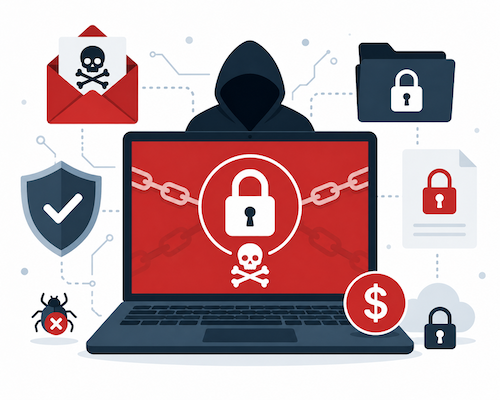
School cybersecurity strategies must prioritize protecting the data layer, the foundation where schools store their most critical information and where recovery operations begin following an attack or breach.
The data layer contains the records, systems, and information that keep schools functioning. When ransomware strikes or hackers infiltrate networks, schools cannot restore operations without first securing and recovering their data. This reality demands that district IT leaders and security teams build resilience strategies around data protection rather than treating it as a secondary concern.
Data layer protection involves several practical steps. Schools need clear inventories of what data exists, where it lives, and how critical each piece is to daily operations. Student information systems, financial records, attendance data, and grade books rank among the most essential. Districts should implement access controls that limit who can view or modify sensitive information. Encryption protects data both when it sits on servers and when it travels across networks.
Recovery planning must center on data and the services that depend on it. When an incident occurs, schools face pressure to restore classes quickly. Effective plans identify which systems to bring back online first, based on their importance to instruction and operations. A school might prioritize restoring the student information system before other applications because it supports enrollment, scheduling, and attendance.
Regular backups represent a cornerstone of data layer resilience. Schools should maintain multiple backup copies stored separately from their main systems. Testing those backups matters equally, since untested backups sometimes fail when needed most.
Staff training strengthens data layer security from the human side. Teachers and administrators who recognize phishing emails or suspicious requests become the first line of defense. Even well-designed technical systems fail when staff inadvertently grant access to attackers.
Districts face budget constraints that complicate these efforts. Adding dedicated data security staff, upgrading infrastructure, and purchasing protective tools all require funding. Schools that lack adequate resources struggle to implement comprehensive strategies.
The stakes are high. A successful