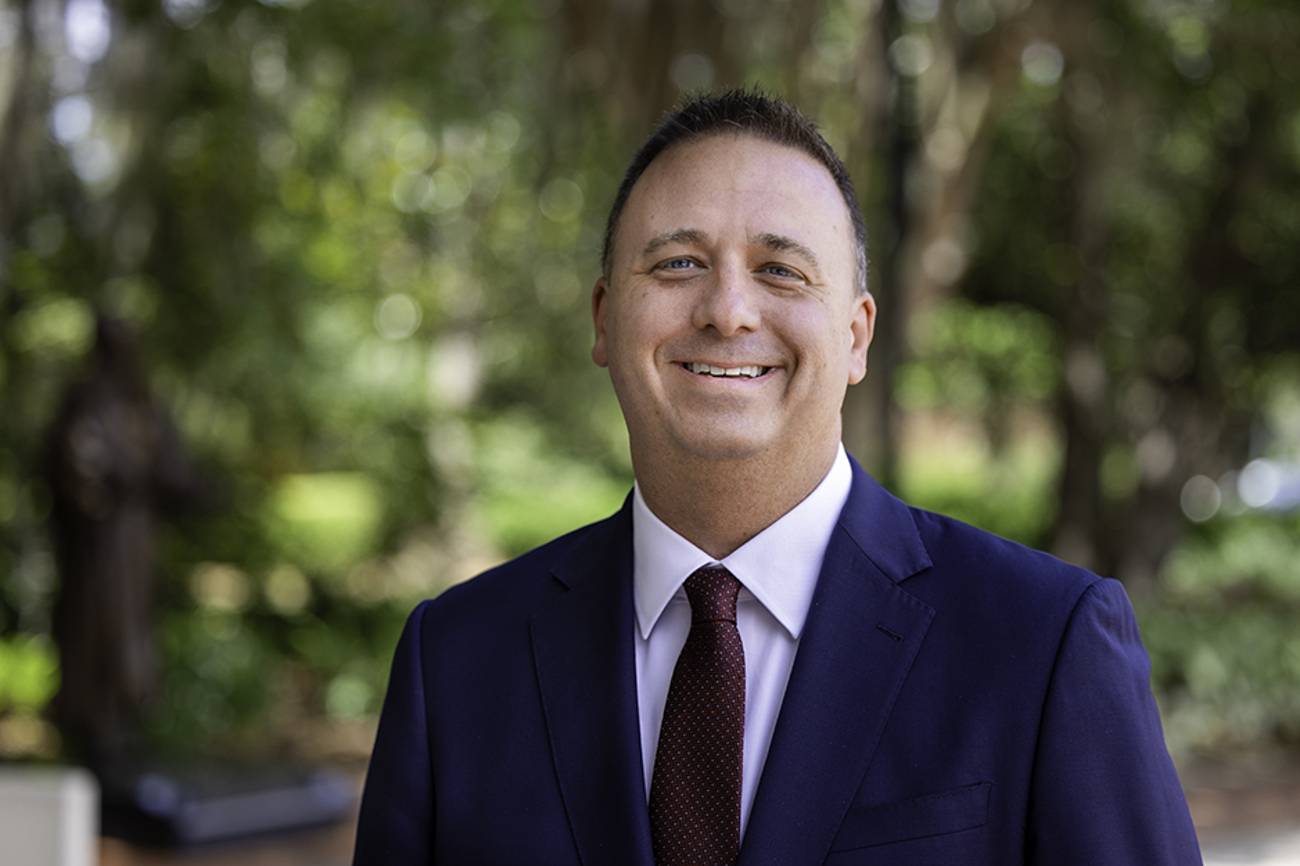
Florida State University appointed Jonathan Fozard as its chief information officer, bringing over 20 years of university technology leadership to the role. Fozard's appointment reflects FSU's effort to strengthen its information technology infrastructure and digital services for students, faculty, and staff.
The CIO position oversees all of a university's technology operations, from campus networks and data security to student information systems and learning management platforms. These roles have grown increasingly complex as institutions balance expanding digital learning demands with cybersecurity threats and aging IT infrastructure.
Fozard's extensive background in higher education technology positions him to address common campus IT challenges. Universities today manage unprecedented amounts of student data, support remote and hybrid learning environments, and invest heavily in cybersecurity defenses. The CIO role has become critical to institutional strategy, not merely an administrative function.
FSU joins dozens of other major universities in upgrading technology leadership. The position typically reports directly to the provost or president and shapes decisions about which platforms campuses adopt, how universities protect sensitive information, and what digital tools students access for coursework.
Higher education CIOs face mounting pressure on multiple fronts. Ransomware attacks targeting universities have increased substantially in recent years. Simultaneously, institutions struggle to modernize legacy systems while meeting student expectations for seamless digital experiences. Budget constraints often force CIOs to make difficult choices about where to invest limited resources.
Fozard's appointment suggests FSU recognizes these challenges and intends to prioritize technology modernization. His background across multiple universities gives him perspective on industry best practices and common pitfalls other institutions have encountered.
The hire comes as universities nationwide reassess their technology strategies following pandemic-driven digital transformation. Some institutions found their IT systems unprepared for rapid expansion of online learning. Others discovered critical gaps in cybersecurity preparedness. Experienced CIOs who have navigated these transitions successfully are in high demand