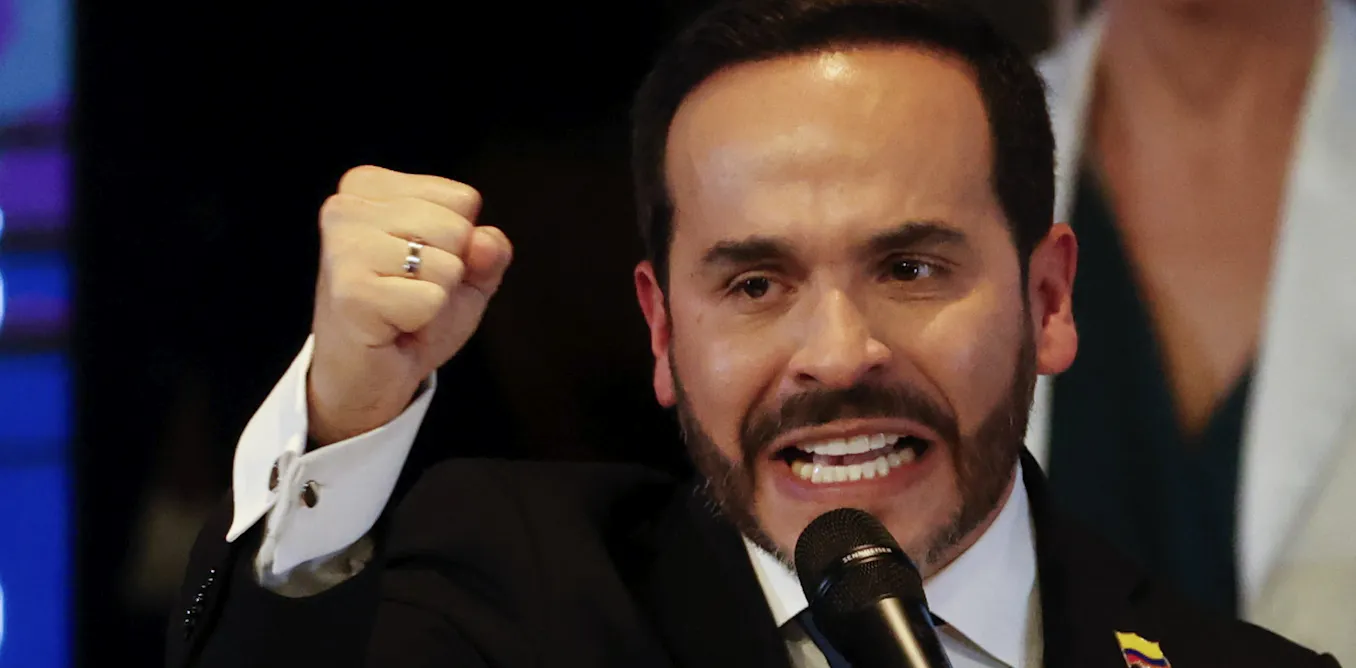
Colombia's newly elected president, known as "El Tigre," has pledged a military-heavy approach to combat the country's escalating violence, including potential dismantling of the 2016 peace agreement with FARC rebels. Experts warn this strategy risks deepening instability rather than resolving it.
The 2016 accord ended a 50-year conflict that killed over 260,000 people. While imperfect, the agreement created pathways for disarmament, victim reparations, and transitional justice. Rolling back these provisions could reignite tensions with armed groups and undermine the reintegration process for former combatants.
Rising violence in recent years stems from multiple sources. Drug trafficking organizations have filled power vacuums in regions where FARC presence diminished. Splinter groups rejected the peace deal entirely. Paramilitary organizations continue operating in remote areas. An iron-fist military response alone cannot address these complex drivers.
Colombia's security challenges require sustained institutional reform, not just increased force. Effective approaches include strengthening local judicial systems, improving investigation capacity for organized crime, and supporting rural economic development that reduces recruitment into illegal armed groups. These initiatives take years to show results, but they address root causes rather than symptoms.
The new administration inherits genuine security problems. Gang violence, extortion, and drug trafficking affect daily life for millions of Colombians. Citizens understandably seek immediate safety. Yet abandoning the peace framework removes tools for managing rebel groups already committed to political participation.
International observers, including the United Nations, have cautioned against unraveling the agreement. Regional stability depends on Colombia's ability to maintain both security and democratic institutions. Military escalation without complementary institutional investment historically produces civilian casualties and displacement rather than lasting peace.
The path forward requires balancing firm security enforcement with continued commitment to transitional justice mechanisms. Dismantling the