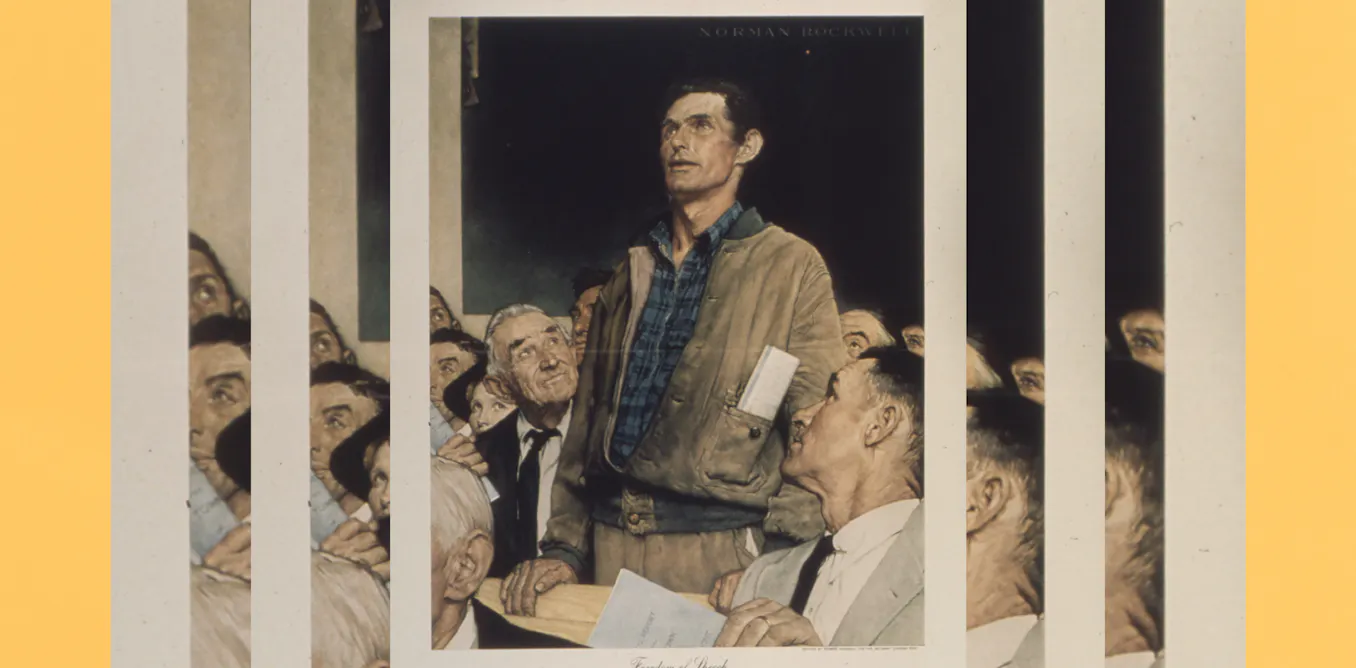
# Freedom of Speech Takes Many Forms and They Are Always Cultural
The concept of free speech operates differently across societies, shaped by each culture's values and history rather than existing as a universal principle.
Free speech exists along a spectrum. The United States protects broad speech rights through the First Amendment, including offensive or controversial expression. European nations often restrict hate speech and Holocaust denial while protecting other forms of expression. Many countries balance free speech against other values like religious respect, national security, or social harmony.
Schools reflect these cultural differences. American classrooms typically allow students and teachers wider latitude to discuss controversial topics, debate ideas, and challenge prevailing views. Other education systems prioritize social cohesion or respect for authority, limiting certain discussions. These approaches shape what students learn and how they learn to think critically.
The distinction matters for educators and parents. A teacher in one country might face no consequences for discussing a topic that would spark outrage elsewhere. A student assignment considered excellent critical thinking in one context could be seen as disrespectful in another.
Digital platforms complicate this further. Social media companies enforce speech policies globally while operating in nations with conflicting standards. A post legal in one country violates rules in another. Schools now navigate whether and how to use these platforms, knowing speech norms vary by region and by institution.
Understanding that free speech takes cultural forms helps educators approach controversial material thoughtfully. It requires recognizing that debates about speech in schools rarely involve absolute freedom versus censorship. Instead, they involve choices about which values get priority in a specific community.
Parents and educators benefit from explicitly discussing what speech norms their school community adopts and why. Clear policies rooted in local values serve students better than vague appeals to universal free speech principles that may not reflect the community's actual commitments.