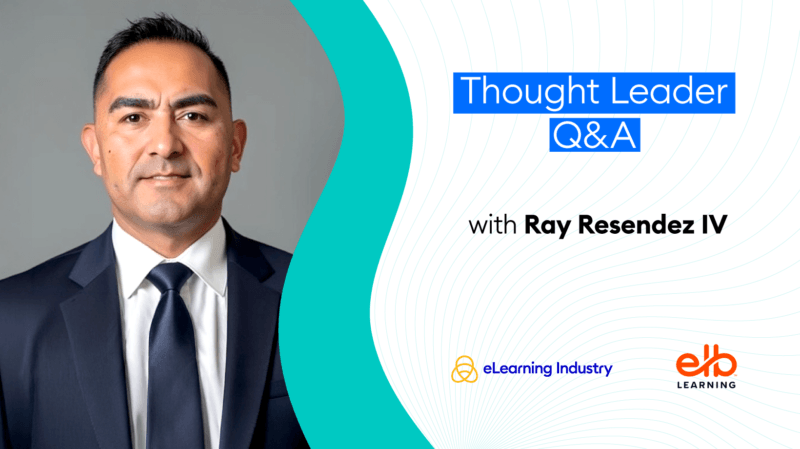
Ray Resendez IV, an executive at ELB Learning, discusses organizational leadership transformation in a new Q&A. The interview explores how institutions can build sustainable change through disciplined decision-making and accountability structures.
Resendez addresses the challenges leaders face when managing high-pressure environments. He emphasizes the need for measurable outcomes when implementing leadership programs. Organizations often struggle to connect training initiatives to concrete performance gains, he suggests, and successful transformation requires clear metrics from the start.
The conversation centers on decision discipline as a core leadership competency. Resendez argues that leaders must establish frameworks for making choices consistently, even when under stress. This prevents reactive decision-making that undermines organizational goals. Accountability systems support this discipline by creating transparency around choices and their results.
ELB Learning focuses on helping schools and districts develop leadership capacity. The firm works with administrators and instructional leaders to strengthen their ability to drive improvement. Resendez's insights reflect this mission: sustainable change depends on leaders who understand their own decision patterns and can adjust them when needed.
The Q&A also touches on how pressure affects leadership effectiveness. High-stakes environments, common in education given accountability demands around test scores and graduation rates, often trigger poor decisions. Leaders who practice decision discipline ahead of time handle pressure better, Resendez indicates.
For school systems implementing new initiatives, this framework offers practical direction. Rather than rolling out programs and hoping for adoption, leaders should define success metrics first. Then they build accountability structures that track progress and allow course correction. This approach takes longer upfront but produces lasting change.
Resendez's perspective aligns with growing research on leadership development in schools. Studies show that isolated training workshops rarely shift practice. Instead, sustained coaching and peer accountability yield measurable gains in teacher performance and student outcomes. His emphasis on discipline and measurable results echoes what research supports.