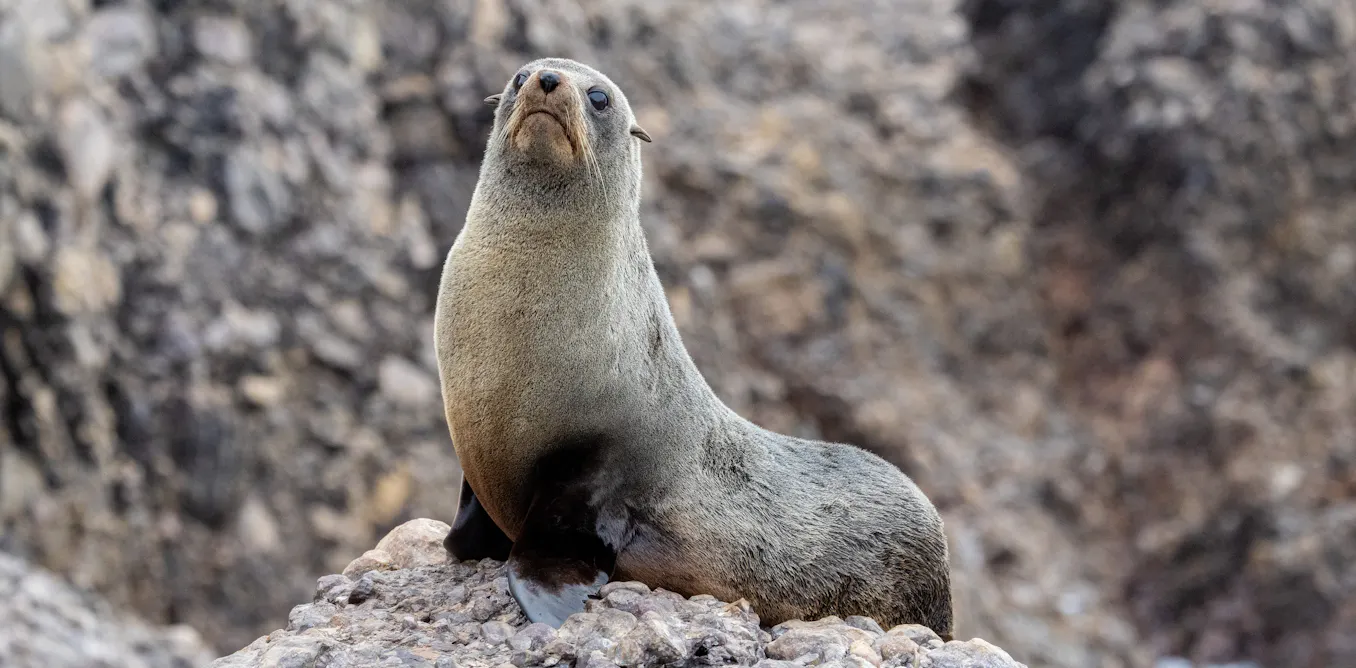
# Marine Wildlife Faces Mounting Climate Pressures
Extreme weather events are devastating populations of seal pups and seabird chicks across coastal regions, forcing marine biologists to rethink conservation strategies.
Rising ocean temperatures and intensifying storms create dangerous conditions during critical breeding seasons. Seal pups, born with minimal fat reserves, struggle to survive unexpected cold snaps and temperature fluctuations. Seabird chicks face starvation when storms disrupt food supplies and nesting colonies scatter.
The Conversation consulted four marine experts who identified several protection mechanisms. One approach involves establishing marine protected areas that buffer populations from the worst weather impacts. These zones reduce additional stressors like fishing pressure and pollution, leaving species with more resilience to handle climate shocks.
Scientists also recommend expanding habitat restoration efforts. Protecting coastal vegetation and rocky outcrops gives breeding animals better shelter during storms. Monitoring programs that track population health in real-time allow researchers to intervene quickly when weather events threaten colonies.
Another strategy focuses on understanding species-specific vulnerabilities. Seal pups born in winter months face different risks than summer births. Seabirds that nest in exposed locations need different protections than those in sheltered colonies. Tailored interventions produce better outcomes than one-size-fits-all policies.
The timing of breeding seasons may shift as climate patterns change. Conservation plans must remain flexible, allowing for adjustments as species adapt or relocate. Some researchers propose assisted migration, moving vulnerable populations to areas with more stable conditions, though this carries ecological risks.
Funding represents the largest barrier to implementation. Most coastal nations lack resources to expand protected areas or staffing for continuous monitoring. International cooperation on marine conservation remains underdeveloped despite the scale of climate impacts.
These interventions won't reverse broader warming trends, but experts agree they can reduce mortality rates and maintain genetic diversity in vulnerable populations.