# Legionnaires' Disease: Half a Century Later, Outbreak Risk Persists
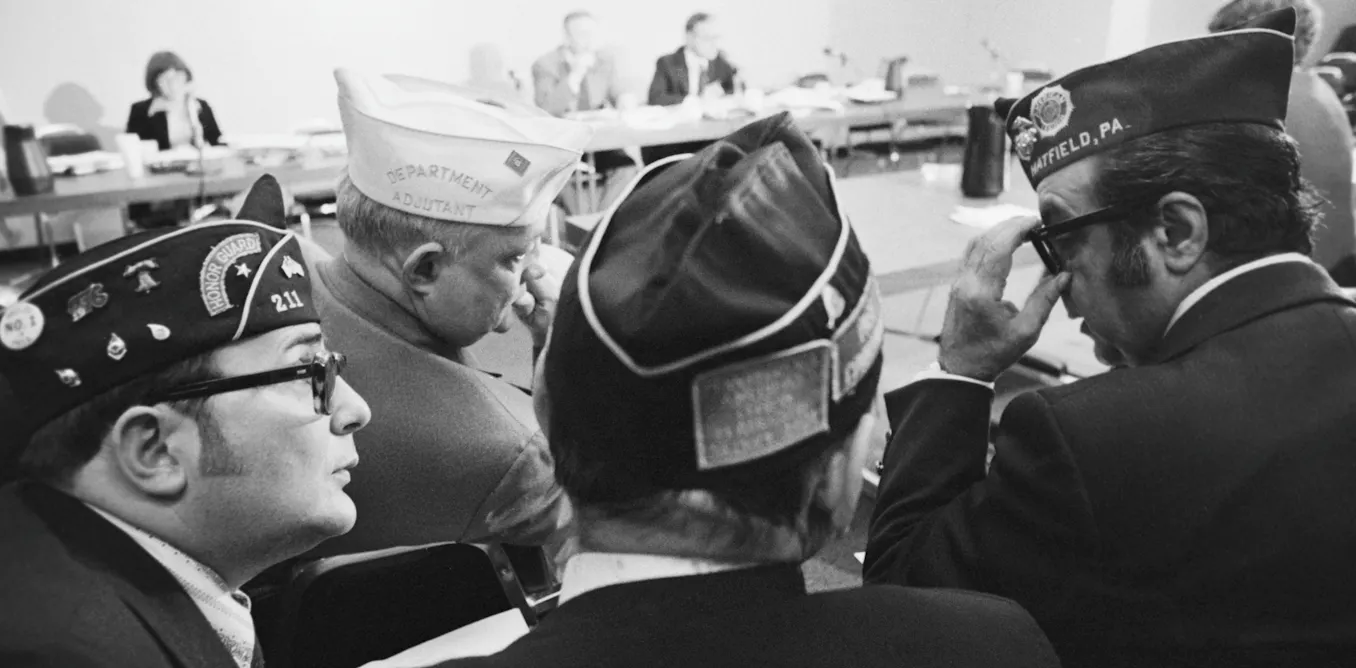
Philadelphia's 1976 epidemic killed 34 people and sickened 221 others. For months, investigators could not identify the culprit. The bacterium responsible, Legionella pneumophila, was entirely unknown to science at the time. Researchers eventually isolated it from the air conditioning system of the Bellevue-Stratford Hotel, where many victims had attended an American Legion convention.
The discovery transformed public health surveillance and infection control practices nationwide. The bacterium thrives in warm water environments, particularly in building systems where water sits stagnant or circulates at moderate temperatures. Cooling towers, hot tubs, fountains, and household plumbing all create ideal conditions for the pathogen to colonize and spread through aerosolized water droplets.
Fifty years later, the threat remains active. Outbreaks continue to emerge across the United States and globally. The persistence reflects several challenges. Many buildings lack proper maintenance protocols for water systems. Legionella detection requires specific lab testing that clinicians don't always order. Climate change extends warm-water seasons in some regions, potentially expanding conditions where the bacteria flourish.
Modern awareness has improved outcomes. Hospitals and public health departments now screen for Legionnaires' disease during respiratory illness clusters. Building codes in many jurisdictions mandate regular cleaning and disinfection of high-risk water systems. Cooling tower regulations have tightened in states like New York following multiple outbreaks in New York City.
Yet gaps remain. Older buildings often house vulnerable plumbing systems. Resource-constrained facilities struggle to implement comprehensive water management programs. Immunocompromised individuals and older adults face substantially higher risk of severe disease or death.
The 1976 Philadelphia outbreak became a watershed moment in epidemiology, proving