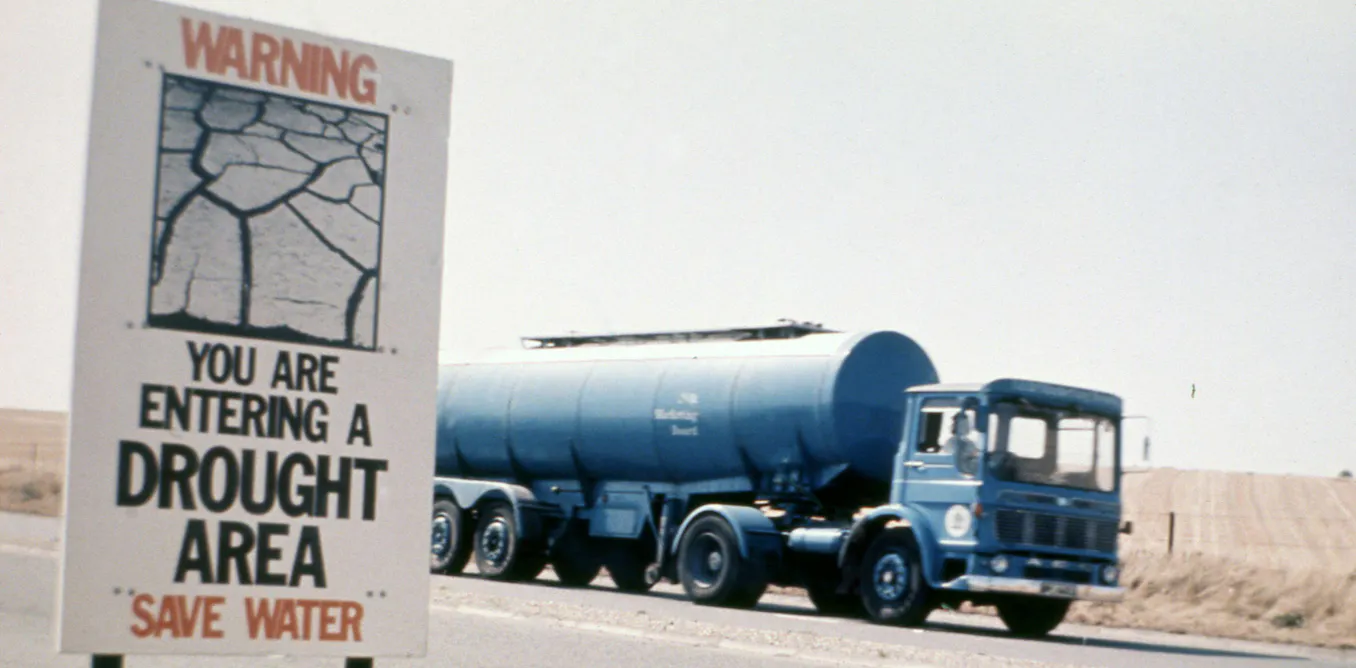
# UK Water Systems Face Credibility Test if Major Drought Strikes Again
Half a century after Britain's 1976 drought devastated water supplies, the nation remains vulnerable to severe water shortages. Yet public confidence in the institutions tasked with managing that crisis has eroded significantly.
The 1976 drought lasted 16 months and forced unprecedented restrictions across England and Wales. Standpipes appeared on streets. Farmers watched crops wither. Reservoirs hit historic lows. The crisis exposed infrastructure weaknesses that prompted decades of investment in water storage and treatment systems.
Today, those physical systems have improved. But the human element has deteriorated. Public trust in UK water companies sits at record lows. Recent scandals involving sewage dumping, executive bonuses, and leaking pipes have damaged credibility. Citizens question whether companies prioritize shareholder returns over environmental protection and water security.
This trust gap carries real consequences for drought response. When restrictions return, people need to believe authorities are implementing measures fairly and competently. Skepticism breeds non-compliance. Misinformation spreads. Communities fragment rather than pull together through scarcity.
Climate projections suggest major droughts will return to the UK within the next 50 years, possibly sooner. Summer 2022 brought the driest conditions in decades, though not a full 1976-scale event. Water companies reported record demand. Some regions experienced localized shortages.
Infrastructure gaps remain too. Many networks lose billions of liters annually to leaking pipes, a problem water companies have been slow to address. Population growth and housing development in the Southeast, already England's driest region, will strain supplies further.
The Environment Agency and water companies must rebuild public trust before the next serious drought arrives. This requires transparency about where water goes, why prices rise, and how money is spent on infrastructure. It demands evidence that companies treat