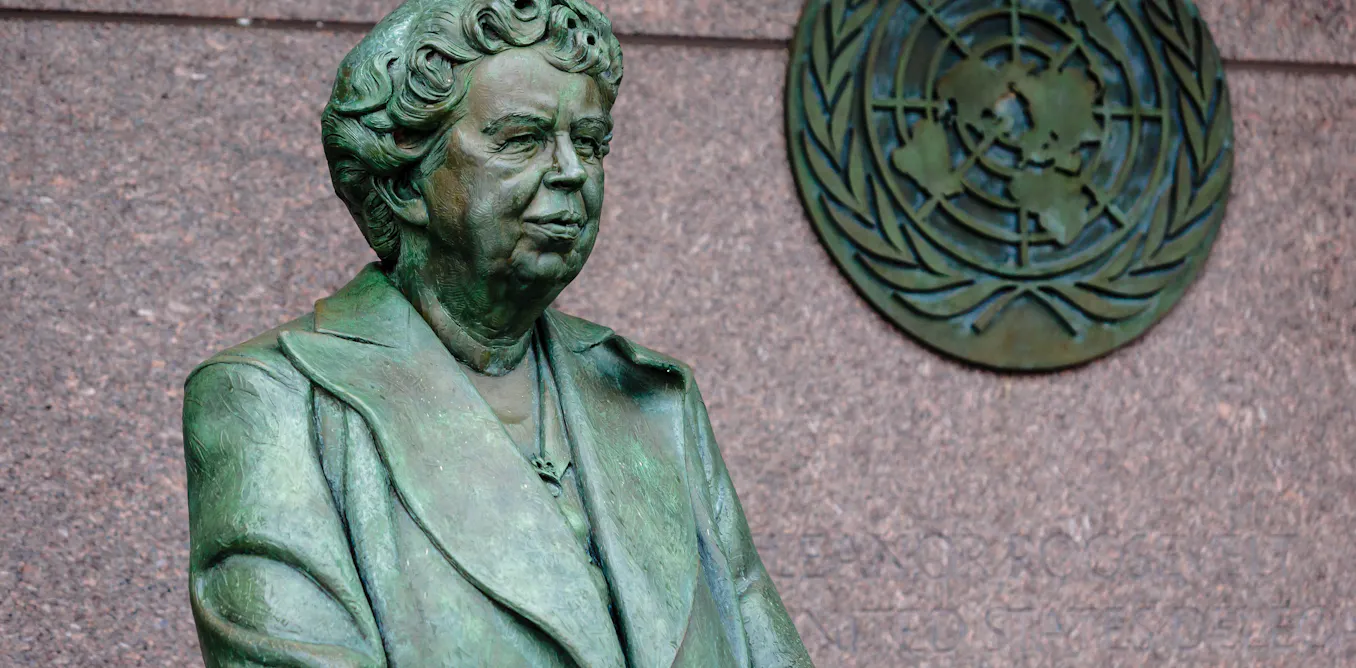
# Where Women Remain Invisible in Diplomatic History
Women diplomats shape international relations, yet history books rarely acknowledge their contributions. The United Nations designated June 24 as Women in Diplomacy Day to address this gap, focusing attention on how female-led diplomatic efforts gain recognition, value, and historical memory.
The problem runs deep. Most diplomatic histories center male negotiators and peace treaties signed by men. Women who brokered agreements, led delegations, or shaped foreign policy often disappear from official records. This erasure has real consequences: younger women entering diplomacy lack role models and documented pathways. Institutions don't track female diplomats with the same rigor applied to male counterparts.
Several factors perpetuate this invisibility. Traditional diplomatic structures emerged when women held no formal positions. Even as women entered foreign services, many worked in administrative roles rather than lead negotiating positions. Documentation practices favored public speeches and signed treaties, formats where men appeared more frequently. Women's contributions often happened in back channels, private meetings, and committee work that left fewer paper trails.
Recognition matters because it shapes who sees diplomacy as a career option. When only male names appear in textbooks, young women don't envision themselves as ambassadors or negotiators. Universities and think tanks that study diplomacy typically feature male-dominated faculty, reinforcing the pattern.
The June 24 observation pushes institutions to examine their own records. Some foreign ministries now audit how their women diplomats are mentioned in official histories and media coverage. International organizations increasingly highlight female ambassadors and negotiators in public communications. Educational materials are being revised to include women peace-builders and treaty negotiators who shaped regional stability.
Real change requires systematic documentation. When countries maintain detailed records of all diplomats regardless of gender, historians can later access those archives. When media covers diplomatic conferences, naming female negotiators with the same prominence as men ensures contemporary records reflect reality