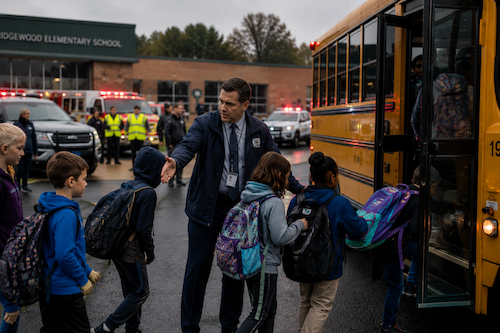
A school district's comprehensive safety plan moves beyond compliance checklists to become a practical framework that protects both students and staff during emergencies.
Districts implementing structured safety protocols report measurable improvements in response times and staff preparedness. Comprehensive planning requires schools to conduct regular threat assessments, establish clear communication systems, train staff on emergency procedures, and practice drills throughout the school year. These elements work together to create coordinated responses when incidents occur.
Effective safety plans address multiple hazard types. Active shooter scenarios receive attention, but plans also cover natural disasters, medical emergencies, severe weather, and mental health crises. Schools that integrate mental health services into their safety framework often identify students in distress before emergencies develop.
Staff training proves critical. Teachers and administrators must understand evacuation routes, shelter-in-place procedures, and communication protocols. Regular drills keep procedures fresh. Custodians, secretaries, and support staff play essential roles in implementing plans successfully. When everyone knows their responsibilities, response times improve.
Technology supports but does not replace human preparation. Many districts now use emergency notification systems to alert parents and first responders within minutes. Intercom upgrades, door locking systems, and security cameras provide additional layers. However, these tools only function effectively when staff understand how to use them and know when to activate them.
Parent and community input strengthens plans. Districts that hold public forums about safety planning gain both valuable feedback and community trust. Transparency about what schools do and why builds confidence that administrators take safety seriously.
Implementation requires ongoing commitment. Safety plans need annual review and updates based on lessons learned from drills, new threats identified in threat assessments, and changes in building use. A plan created five years ago may no longer address current risks.
Schools that treat comprehensive safety planning as an ongoing operational priority, not a box to check, see the real benefits. Staff feel more confident responding to emergencies.