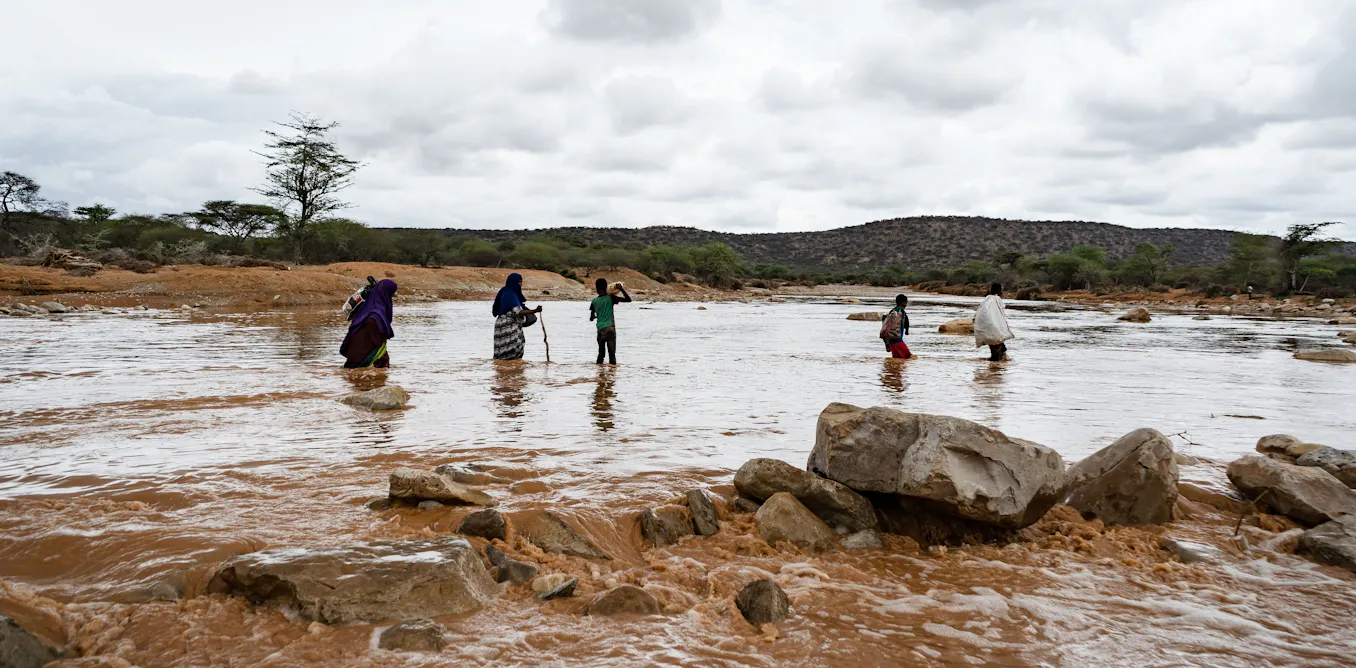
Researchers struggle to establish a direct causal link between climate change and human migration, despite mounting evidence that environmental shifts displace people worldwide.
The challenge lies in isolating climate factors from economic, political, and social drivers of migration. A person leaving their home may flee drought, but economic desperation, conflict, or government instability often trigger the actual move. Distinguishing which factor dominates proves methodologically difficult.
Studies show clear patterns. Rising sea levels threaten island nations like Tuvalu and Kiribati. Desertification in sub-Saharan Africa and Central America reduces arable land. Extreme weather intensifies droughts in Syria and floods in Bangladesh. Yet researchers cannot definitively quantify how many migrants move primarily due to climate versus other pressures.
The World Bank estimates that by 2050, up to 216 million people could migrate internally within their countries due to climate impacts alone. Other researchers reject such projections as speculative, noting that historical migration data rarely shows climate as the sole or primary cause.
Part of the disagreement stems from timeframes. Short-term migration often reflects immediate disasters like hurricanes. Long-term patterns involve gradual environmental degradation mixed with economic shifts and policy changes. Researchers studying different timescales reach different conclusions about climate's role.
Policy implications matter. If governments accept climate migration as inevitable, they might invest in adaptation and managed relocation. If they treat it as unproven, they may withhold resources from affected communities.
The Intergovernmental Panel on Climate Change acknowledges climate change as a threat multiplier. It worsens existing vulnerabilities but rarely acts alone. Meanwhile, global warming accelerates faster than policy responses can address it. Vulnerable populations in developing nations face the greatest risk, yet they contributed least to emissions driving climate change.
Researchers agree on one point. Climate change will intensify pressures on human