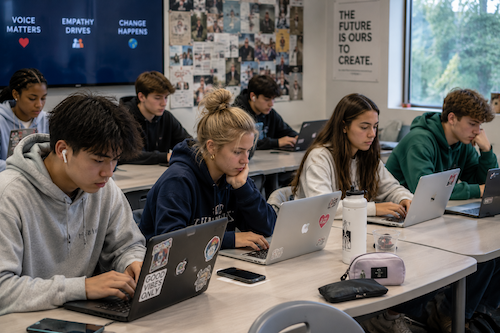
Generation Z students hold optimistic views about artificial intelligence despite widespread concerns about the technology's impact on jobs and society, according to new survey data examining the cohort's career outlook.
The report ranks Gen Z's top 100 dream colleges and preferred employers while analyzing the values driving their career decisions. The findings reveal that young people entering the workforce recognize AI's potential benefits even as they navigate uncertainty about how the technology will reshape industries and employment.
Gen Z faces unprecedented challenges in career planning. Economic volatility, rapid technological change, and debates over AI's role in education and work create a complex landscape for students making decisions about college and careers. Yet the survey indicates this generation approaches these challenges with measured confidence rather than pessimism.
The data provides schools and employers with actionable insights. Educational institutions can use these findings to better understand what attracts talented Gen Z students and what values matter most to them. Employers gain clarity on which companies are most attractive to young talent and what workplace attributes Gen Z prioritizes.
The optimism Gen Z expresses about AI reflects their digital nativity. Unlike older generations, these students grew up with technology woven into daily life. They view AI as a tool to master rather than a threat to fear, though they remain aware of legitimate concerns around job displacement and ethical use.
The report's ranking of dream colleges and preferred employers reveals patterns in Gen Z's choices. Students gravitate toward institutions and companies that align with their values, including those demonstrating commitment to diversity, sustainability, and responsible innovation. How organizations position themselves on AI adoption and workforce development increasingly influences their appeal to top young talent.
Schools must help students develop skills that complement AI rather than compete with it. Employers need to communicate clearly about how they integrate AI into operations and how they support worker advancement in an AI-enabled economy. The gap between Gen Z's optimism and their actual concerns about the future remains real. Bridging that gap requires honest