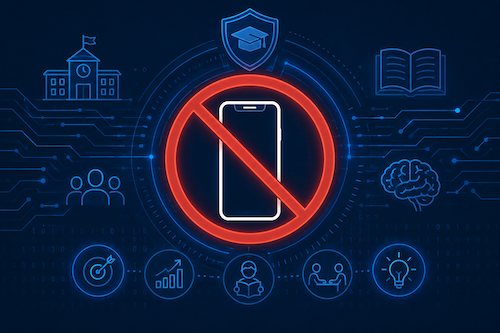
Schools across the United States face mounting pressure to restrict student cell phone use during instructional time, but educators and policymakers are moving beyond blanket bans toward targeted, nuanced policies that acknowledge phones as both tools and distractions.
The debate reflects a genuine tension. Research shows that classroom phone use correlates with lower test scores and reduced focus. Yet complete bans prove difficult to enforce and ignore legitimate educational applications, from digital literacy tools to emergency communication channels.
Districts now experiment with middle-ground approaches. Some implement phone collection systems during specific class periods rather than all-day confiscation. Others use technology solutions like app blockers that disable non-educational functions during school hours. A few districts allow phones for designated learning activities while restricting use during lectures and assessments.
The shift acknowledges students' reality. Most carry devices daily. Rather than fight that reality through enforcement-heavy bans, schools increasingly focus on behavior management and teaching digital responsibility. This mirrors how workplaces handle employee phone policies: establish clear boundaries rather than eliminate devices entirely.
Implementing these systems requires staff training and consistent application. Teachers need guidance on when phones support learning versus when they undermine it. Support staff manage collection and storage logistics. Administrators track compliance without creating new burdens on classroom teachers.
Parent buy-in matters too. Families that understand the rationale behind selective restrictions, not absolute prohibition, tend to support school policies more consistently. Communication about why certain times restrict access while others allow it helps frame phones as a teaching moment rather than purely a problem.
Early adopters report mixed but encouraging results. Schools that pair phone policies with explicit instruction about digital citizenship see fewer conflicts than those that simply enforce rules without context. Students understand the reasoning and develop self-regulation skills.
The emerging consensus suggests that total bans miss an opportunity. Schools that implement flexible, purpose-driven policies tied to instructional goals treat phones as a reality to manage rather