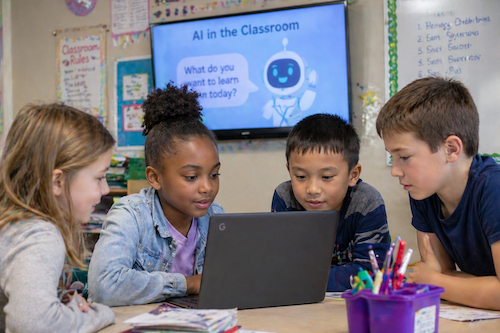
Schools across the country struggle to define artificial intelligence's role in classrooms, leaving individual teachers to decide how and when to use AI tools without consistent district guidance. The absence of unified policies means AI implementation varies wildly from room to room, creating an uneven learning experience for students.
Teachers face a fundamental problem. Districts have not established clear frameworks for AI use in instruction, assessment, or student work. Some educators embrace AI tutoring platforms and writing assistants. Others restrict or ban the technology entirely. This patchwork approach reflects broader uncertainty about AI's educational value and risks.
The lack of structure creates practical challenges. Students in one classroom may use AI tools to draft essays while students down the hall cannot access them. Teachers lack professional development on responsible AI integration. Schools struggle to address academic integrity when AI blurs lines between student effort and machine assistance. Districts cannot track how their schools actually use AI or measure its impact on student learning outcomes.
Experts argue that individual teacher decisions, while understandable, should not replace district-level policy. Schools need clear guidelines that address how AI supports learning, protects student data, prevents cheating, and ensures equitable access. Teachers need training. Parents deserve transparency about which tools their children encounter.
Some districts have begun developing AI policies. They establish when students can use AI, what tools schools approve, how teachers should evaluate work produced with AI assistance, and what skills remain essential to teach without machine help. These frameworks acknowledge AI's potential while setting boundaries.
The challenge intensifies as AI tools improve and proliferate. Schools cannot ignore the technology. Students will encounter AI in college and careers. But without thoughtful district policies, schools risk reinforcing existing inequities, diluting academic rigor, or missing opportunities to teach critical thinking about AI itself.
The coming months matter. Districts that establish clear, evidence-based AI policies now will better serve students. Those that leave decisions to individual teachers will continue navigating