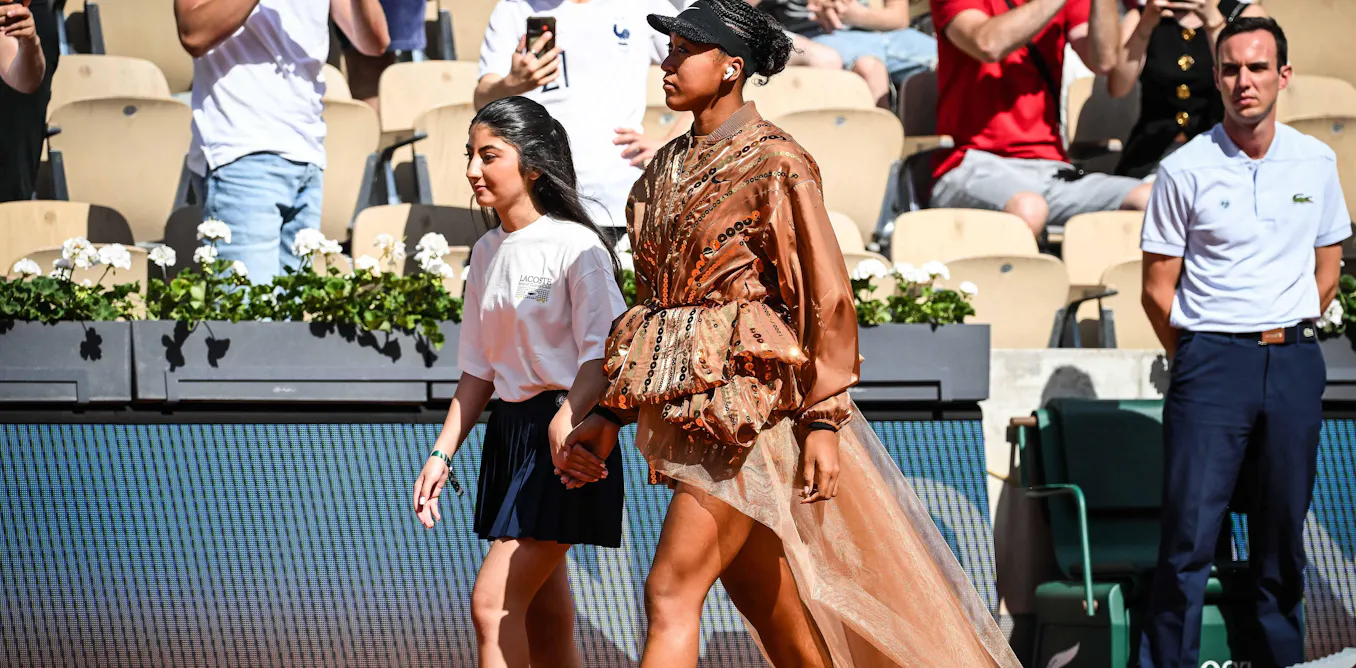
# Young Black Women Athletes Assert Identity Through Fashion on Sports' Biggest Stages
Naomi Osaka and other Black women athletes are reclaiming fashion as a tool for cultural expression and self-determination within professional sports. Rather than treating style as secondary to athletic performance, these athletes deliberately use clothing, hair, and accessories to communicate their heritage and values to global audiences.
Osaka's approach reflects a longer history of Black women in sports who refused to separate their identities from their professional lives. From Venus and Serena Williams' on-court fashion statements to track athletes' styling choices, this tradition asserts that appearance serves as a vehicle for agency and pride. The athlete controls the narrative around who they are, rather than allowing external forces to define them.
This practice matters because sports institutions have long policed Black women's bodies and self-presentation. Historical restrictions on natural hairstyles, dress codes, and appearance norms reflected deeper attempts to marginalize and control. By making fashion intentional and visible, contemporary athletes reject those constraints. Their choices broadcast a message: my heritage is not something to hide or minimize for acceptance.
The movement extends beyond individual expression. When Black women athletes use style to celebrate their roots, they create representation that influences younger generations. Young fans see athletes who look like them, wear their cultural markers openly, and compete at elite levels without code-switching their identities.
Fashion becomes political when institutions have previously demanded conformity. Osaka and peers like her demonstrate that athletic excellence and cultural pride coexist. They refuse false choices between belonging to sport and belonging to their communities.
This reclamation also challenges gatekeepers in fashion and sports who historically excluded Black women from styling conversations and decision-making. By controlling their own narratives through dress, these athletes claim space in industries where they have been underrepresented as decision-makers and tastemakers.
The statement operates on multiple levels: personal confidence,