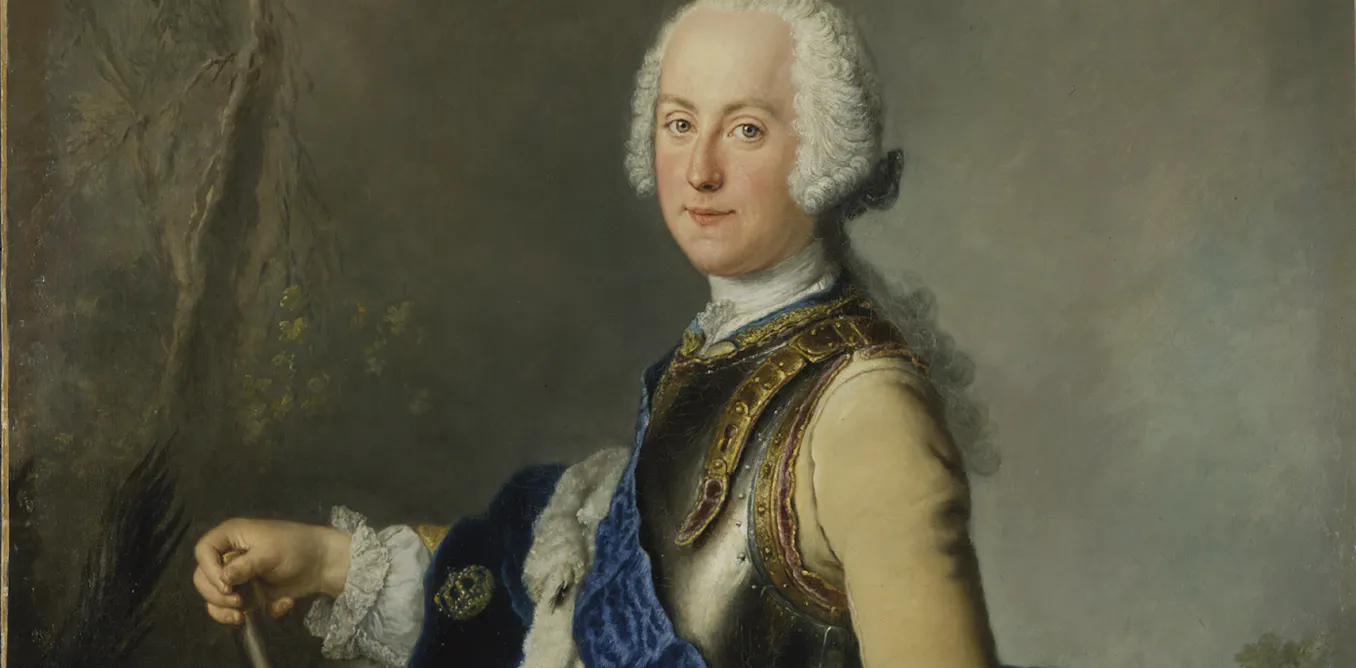
# How a Swedish King Went on Strike in 1768
Sweden's King Adolf Frederick took an extraordinary political stand in 1768 that exposed tensions between absolute monarchy and emerging democratic representation. Rather than rule unilaterally, the king withheld his cooperation from parliament as a form of protest, effectively going on strike against his own government.
The conflict emerged during Sweden's transition from absolutism toward representative governance. As power shifted from the crown to parliament, the monarch faced a new role: maintaining impartiality and balance between competing factions rather than wielding direct authority. This shift created friction between traditional royal prerogatives and the demands of Sweden's emerging representative system.
Adolf Frederick's strike represented a calculated political move. By refusing to participate in governance, the king demonstrated how essential his symbolic and functional role remained, even in a system designed to limit his power. He controlled legislative outcomes through his cooperation, not through force. Parliament could not function effectively without the monarch's engagement.
The episode highlighted a paradox facing early constitutional monarchies. Kings retained significant power not through absolute command but through their position as neutral arbiters. When Adolf Frederick withdrew that arbitration, parliament faced gridlock. His absence proved that representative institutions depended on royal consent and participation, even as those institutions formally constrained royal authority.
The strike ultimately reinforced the king's importance to Swedish governance during this transitional period. It demonstrated that the shift toward representation required cooperation from all branches of government, including a monarch willing to play a circumscribed but essential role. The conflict resolved only when both parliament and crown recognized their mutual dependence.
This moment in Swedish history illustrates how constitutional reforms function as negotiations rather than clean breaks from previous systems. The machinery of representative government required not just institutional structures but working relationships between traditional and emerging sources of power.