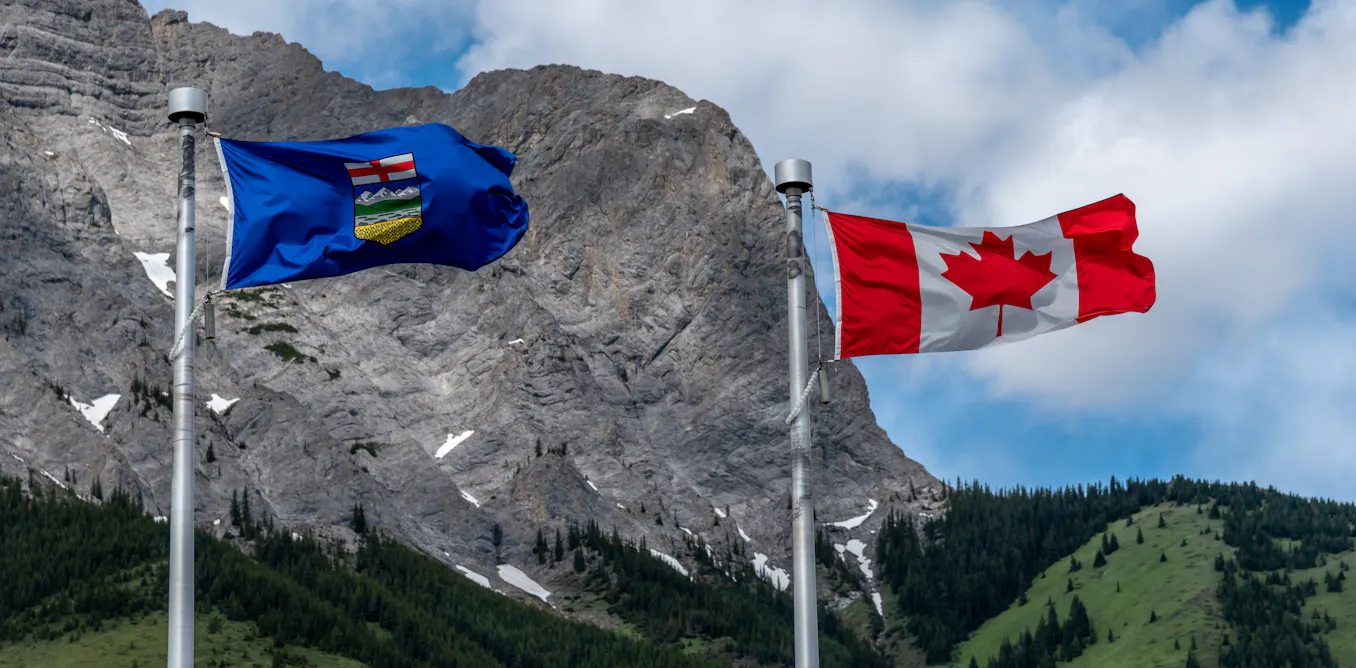
# Alberta Separation Movement Gains Momentum as Province Questions Federal Ties
Albertans are increasingly exploring separation from Canada, with growing support for a provincial referendum on the issue. The push reflects deepening tensions between the province and federal government over resource management, fiscal policy, and representation.
The movement centers on Alberta's economic grievances. The province generates substantial revenue from oil and gas extraction but argues the federal government captures too much through taxation and environmental regulations that constrain resource development. Recent federal carbon pricing policies and restrictions on pipeline projects have intensified frustration among Alberta's energy sector and rural communities.
Political leadership has amplified these concerns. Alberta's provincial government has promoted the separation question and funded advertising campaigns questioning the value of Confederation. Polling data shows support for separation has risen, particularly among younger Albertans and those in rural areas dependent on resource industries.
The referendum proposal faces constitutional obstacles. Canada's Constitution does not provide a clear mechanism for provincial secession. Any separation would require federal consent or a Supreme Court ruling, making unilateral action legally problematic. The 1995 Quebec referendum on separation, which narrowly failed, established that courts view secession as requiring explicit constitutional amendment rather than a simple popular vote.
Alberta separation exists within a broader context of regional discontent across Canada. Western provinces have long felt economically marginalized and underrepresented in federal decision-making. Similar movements have gained traction in Saskatchewan and British Columbia.
Economists and policy experts note that separation would create substantial complications. An independent Alberta would need to negotiate currency arrangements, assume portions of national debt, and establish new trade agreements with Canada and internationally. The province's economy, while resource-rich, depends heavily on integrated North American markets and Canadian federal transfers for healthcare and education funding.
The provincial government's willingness to pursue this question reflects electoral pressure from voters frustrated with federal policies. However, most mainstream analysts view separation as unlikely despite rising