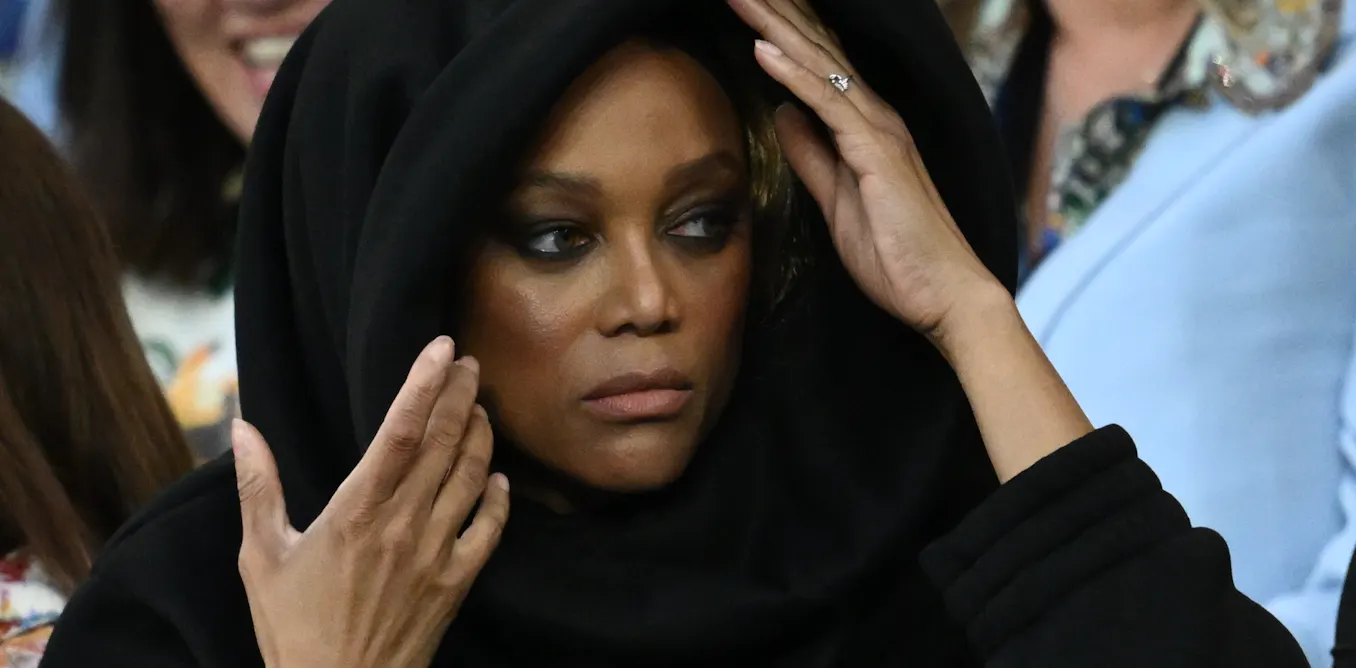
Tyra Banks filed a defamation lawsuit against Netflix over the docuseries "Reality Check: Inside America's Next Top Model," challenging claims made in the production. Banks disputes the series' portrayal of events and allegations involving her role as creator and host of the original "America's Next Top Model."
Defamation cases in the United States require plaintiffs to meet strict legal standards. For public figures like Banks, the burden is particularly heavy. Courts apply the "actual malice" standard established in New York Times Co. v. Sullivan, meaning Banks must prove Netflix acted with knowledge that statements were false or with reckless disregard for their truth. Simply showing the statements are false or embarrassing is insufficient.
Banks must also demonstrate the statements caused measurable harm to her reputation or economic interests. Netflix can defend itself through several avenues: proving statements are true, claiming they represent opinion rather than fact, or arguing they constitute protected commentary about a public figure and public events.
The docuseries examined the production and cultural impact of "America's Next Top Model," which ran for 23 cycles and became a cultural phenomenon. The show made Banks a recognizable public figure, which directly affects her legal standing in defamation claims. Public figures receive less legal protection than private individuals because courts balance free speech interests against reputation protection.
Entertainment industry observers note that defamation suits against streaming platforms face substantial obstacles. Netflix has resources to mount extensive legal defenses, and courts traditionally favor press freedom and documentary filmmaking when statements relate to matters of public interest.
The case tests boundaries between documentary accountability and creative expression. Banks maintains the series misrepresented her conduct and decisions. Netflix argues the documentary presents factual events and commentary protected by the First Amendment.
The outcome remains uncertain, but Banks faces the challenge that defamation law intentionally makes it difficult for public figures to win such cases, prioritizing robust public discourse over reputation