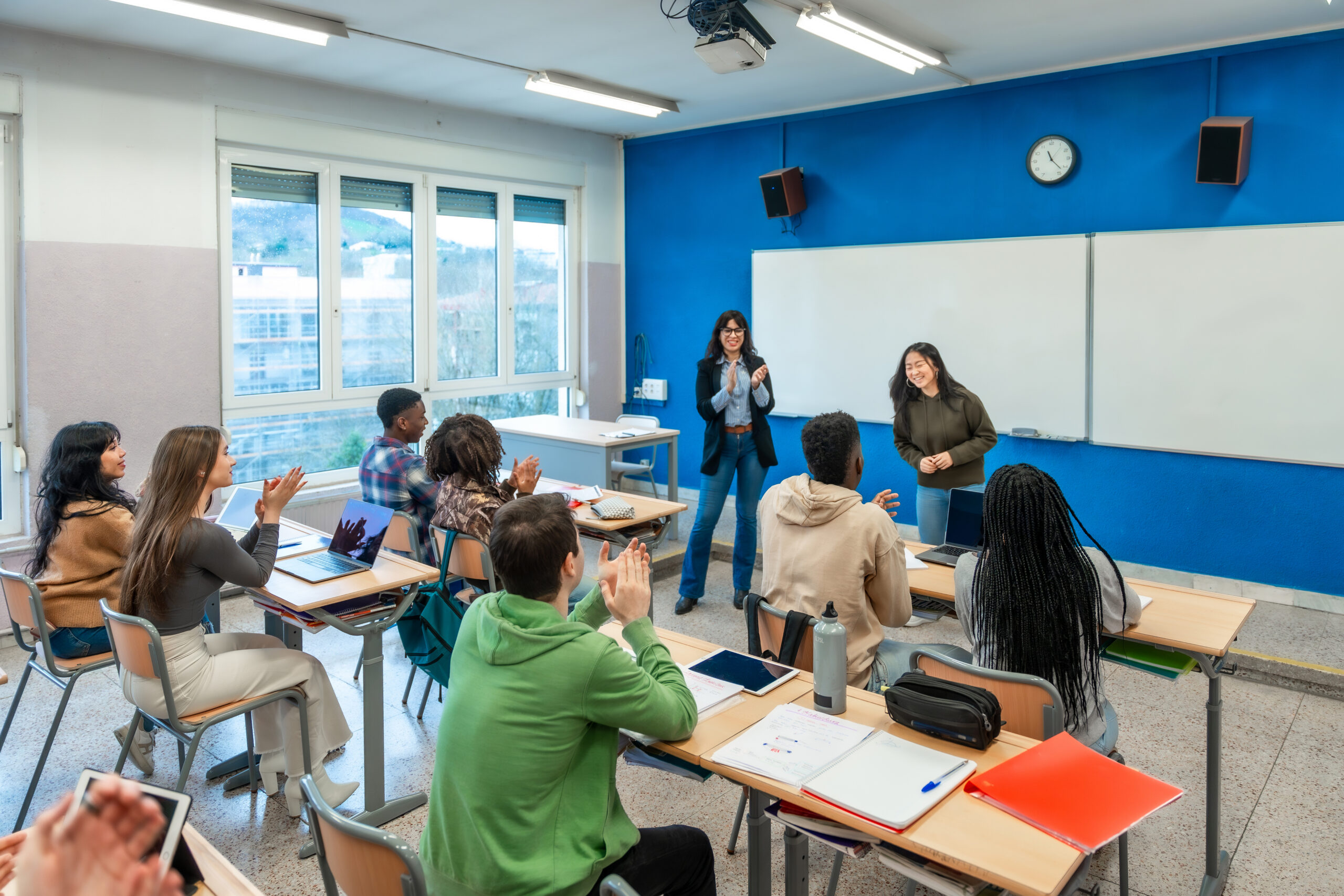
College instructors are rethinking classroom design to foster psychological safety alongside academic learning. Cooperative learning and experiential activities, combined with strong teaching practices, create environments where students feel secure enough to participate, ask questions, and take intellectual risks.
Psychological safety matters because students perform better when they trust their peers and instructors. Fear of judgment or embarrassment shuts down engagement and belonging. Faculty Focus reports that deliberate collaboration structures directly influence student outcomes including academic achievement, sense of belonging, and overall well-being.
The research points to two specific instructional strategies. Cooperative learning, when structured well, requires students to work interdependently toward shared goals. Experiential learning grounds abstract concepts in concrete, hands-on activities. Both approaches reduce the anonymity of large lectures and create accountability within small groups, which builds trust.
Pedagogical content knowledge matters here. Teachers must understand not just their subject matter but how to teach it effectively to diverse learners. When instructors combine this expertise with intentional collaboration design, they avoid busywork group projects that feel pointless or chaotic. Instead, tasks have clear purposes, defined roles, and meaningful interdependence.
The practical implications reach across disciplines. In STEM courses, lab work and problem-solving teams become vehicles for belonging, not just skill-building. In humanities classes, structured peer discussion and collaborative projects replace passive lectures. Business and nursing programs already lean heavily on simulation and teamwork, but explicit attention to psychological safety amplifies their impact.
This shift reflects a broader recognition in higher education. College success depends on more than test scores. Universities increasingly measure retention, graduation rates, and student mental health outcomes. Commuter students, first-generation learners, and those from underrepresented groups often report lower sense of belonging. Cooperative and experiential learning, when intentionally designed, directly address this gap.
Implementation requires faculty training and course redesign time. Not