# UK Prime Minister Starmer Signals Shift on Social Media Regulation
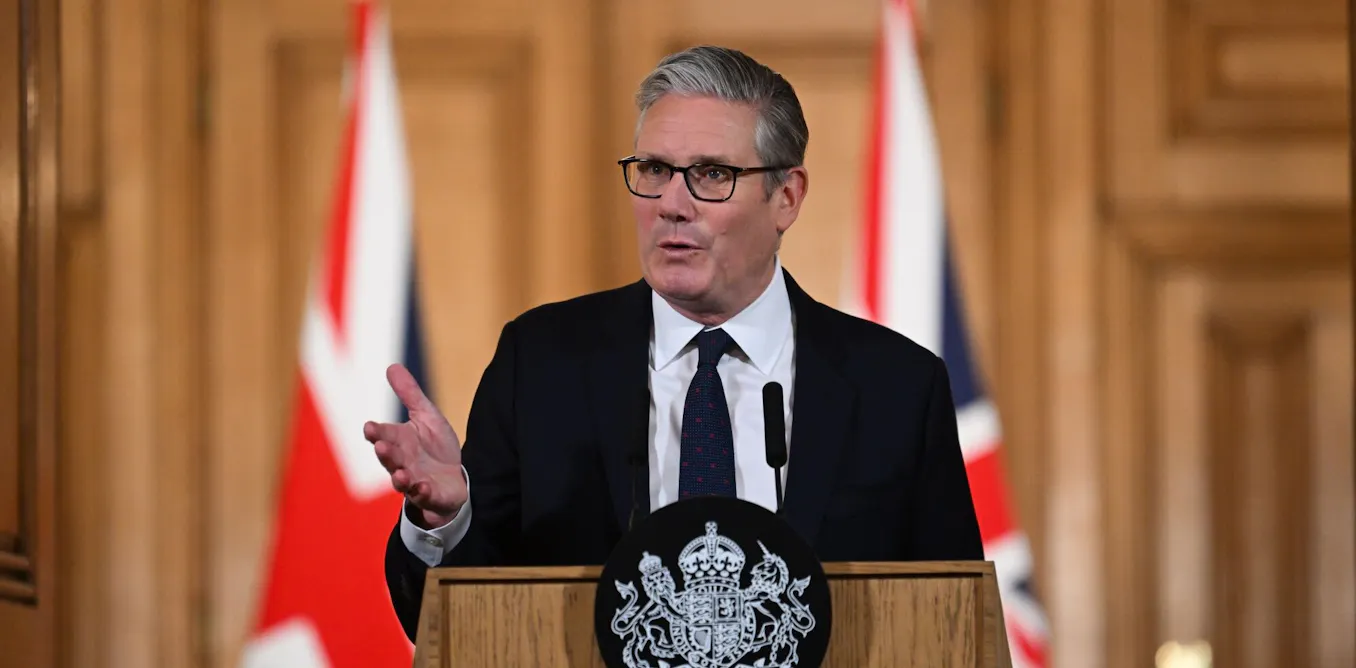
Prime Minister Keir Starmer has announced plans to ban social media use among younger children, marking a departure from his previous political positioning. The move represents an attempt to reshape public perception of his leadership through an emotionally resonant policy.
Starmer's social media ban proposal targets minors and reflects growing concern among UK policymakers about digital platforms' effects on youth mental health, sleep patterns, and academic performance. The announcement comes as several countries, including Australia and France, have introduced or considered similar age-restricted access policies.
The timing and framing of this initiative suggests Starmer is using the social media issue as a vehicle for broader political rebranding. By positioning himself as a defender of children and family welfare, he aims to soften his public image and appeal to parents concerned about screen time's impact on development.
Such policies carry practical challenges. Enforcement mechanisms remain unclear, and implementation would require cooperation from technology companies already resistant to age verification requirements. Schools and parents would likely shoulder enforcement responsibilities in practice.
The proposal aligns with recommendations from child development researchers and mental health organizations, though evidence on optimal age restrictions remains mixed. Some studies link excessive social media use to anxiety and depression in adolescents, while others question causation versus correlation.
For educators and parents, a formal ban would shift responsibility for digital literacy away from platforms and toward families and institutions. Schools would need resources to teach healthy digital citizenship without relying on social media platforms for communication and engagement.
Starmer's announcement reflects broader political trends across democracies toward regulating technology companies. Whether this initiative succeeds depends on legislative clarity, enforcement realism, and sustained political commitment beyond the emotional appeal of protecting children.