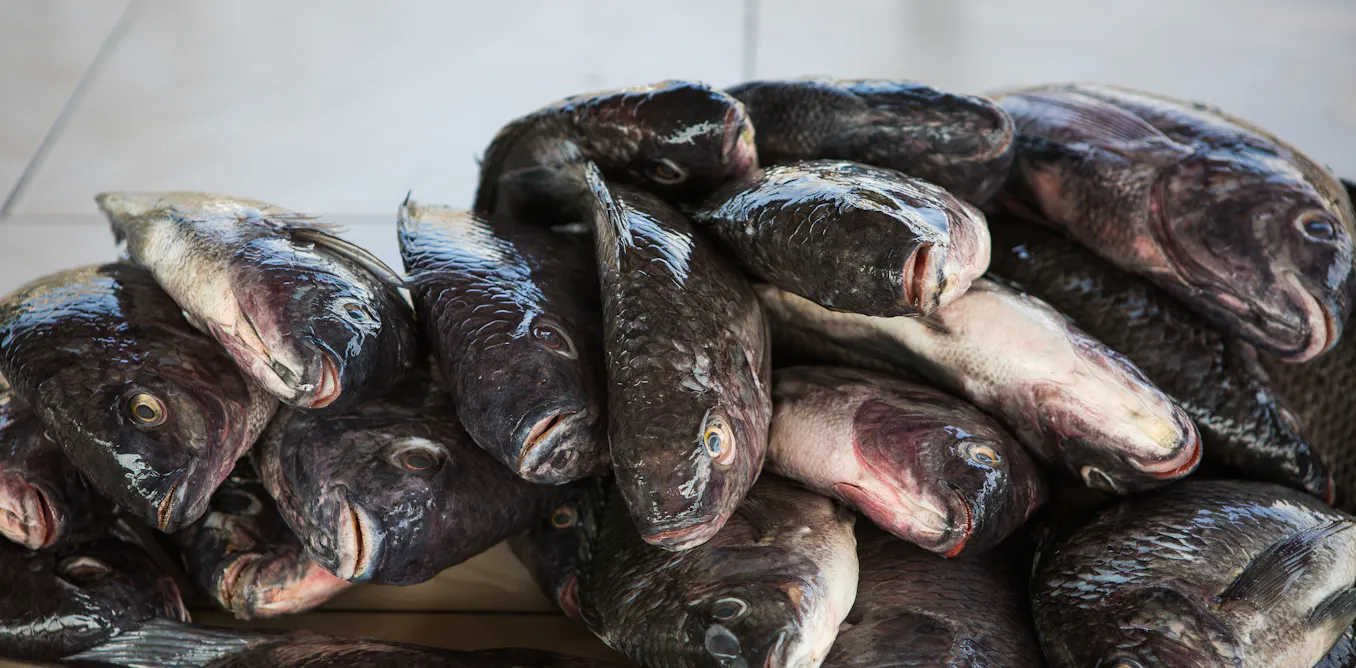
Kenyan consumers face a persistent trade-off when buying fish at local markets: the nutritional benefits of protein and omega-3 fatty acids against the risk of consuming fish contaminated by environmental pollutants.
A study examining fish markets across Kenya reveals how shoppers make these decisions in the absence of clear nutritional labeling or contamination warnings. Most consumers rely on visual cues like fish freshness and color rather than scientific information about nutritional content or water quality risks.
Kenya's fish supply comes primarily from Lake Victoria, the Indian Ocean, and aquaculture farms. Industrial pollution, agricultural runoff, and untreated sewage contaminate these water sources, potentially introducing heavy metals and harmful bacteria into the fish supply chain. Yet this information rarely reaches market vendors or consumers.
The research highlights a knowledge gap. Shoppers lack access to data about which fish species carry higher contamination levels or where each fish was sourced. Without standardized labeling requirements, vendors cannot easily communicate safety information. Health authorities have not established binding guidelines for contaminant levels in fish sold domestically.
Nutritional education campaigns exist in Kenya but focus primarily on general dietary diversity rather than fish-specific guidance. Consumers understand fish contains protein, but few know the omega-3 content varies by species or that cooking methods affect nutrient retention.
Market dynamics complicate matters. Poorer households, which constitute most fish consumers in Kenya, prioritize affordability over food safety information. They buy where they shop habitually, not based on chemical composition or sourcing data.
The study recommends Kenya implement mandatory nutritional and contamination labeling at point of sale. Strengthening water quality monitoring and enforcing pollution controls upstream would reduce actual contamination. Training vendors to communicate risk and benefit information directly could improve decision-making without requiring literacy-based labels.
For now, Kenyan fish buyers navigate these choices largely alone, balancing