# Merino Wool: The Science Behind a Performance Fabric
Merino wool outperforms synthetic alternatives in temperature regulation, odor control, and skin comfort, making it a practical choice for athletes and everyday wearers across climates.
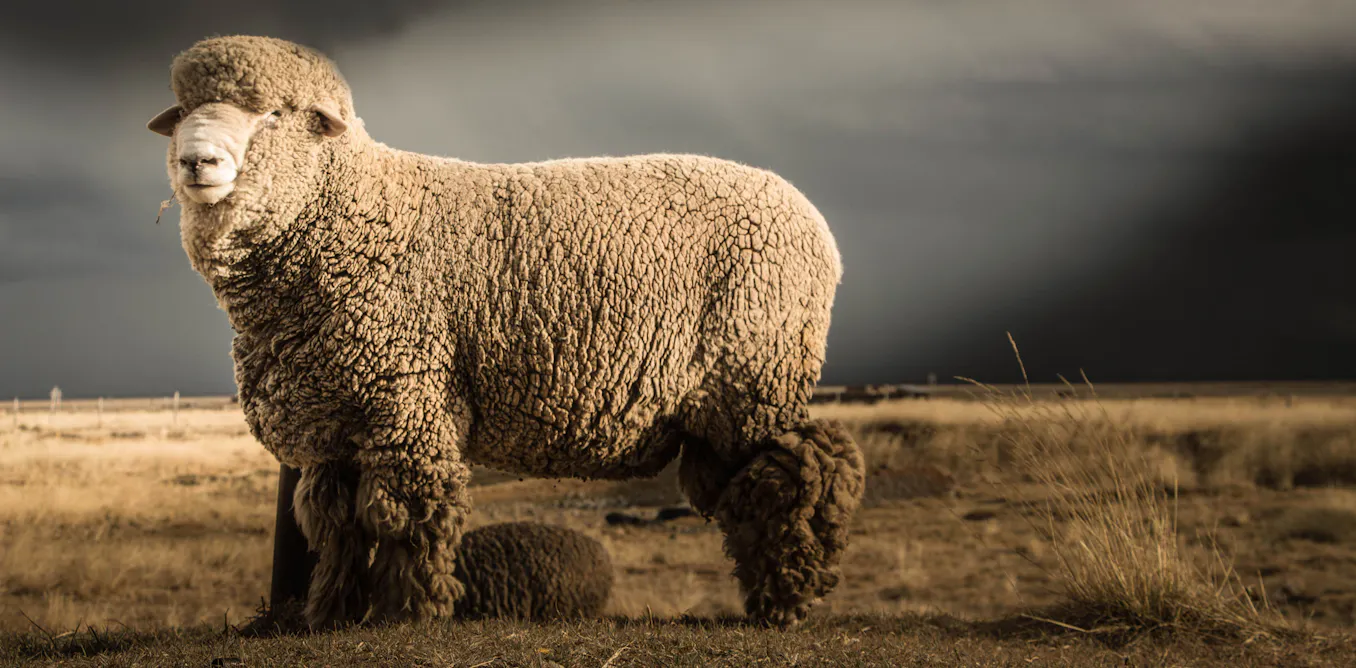
The fiber comes from merino sheep, a breed originally from Spain that now produces wool in Australia, New Zealand, and South Africa. Merino fibers measure 15 to 24 microns in diameter, significantly finer than regular wool. This fineness allows the fabric to feel soft against skin rather than itchy, eliminating the primary complaint many people have about wool garments.
Temperature regulation happens through merino's natural crimp and hollow core structure. The fiber traps air in small pockets, creating insulation in cold weather. In warm conditions, merino wicks moisture away from the skin and allows it to evaporate quickly, keeping wearers dry and cool. This dual performance explains why athletes wear merino base layers across seasons.
The odor-resistant property stems from the protein structure in merino fibers. The wool naturally resists bacterial growth that causes sweat smell. This means merino garments require less frequent washing than cotton or synthetic alternatives, extending garment life and reducing water consumption. Studies show merino can be worn multiple times before needing cleaning.
Merino wool also demonstrates environmental advantages over petroleum-based synthetics. The fiber biodegrades naturally, and merino sheep grazing practices support land management in regions like New Zealand. However, processing and transportation still carry carbon footprints.
Price remains the primary barrier. Merino garments typically cost two to three times more than cotton or polyester equivalents. For consumers buying basics, this premium expense limits adoption.
Athletes, outdoor enthusiasts, and travelers increasingly embrace merino for its performance benefits and durability. The fabric market has expanded beyond specialty gear into