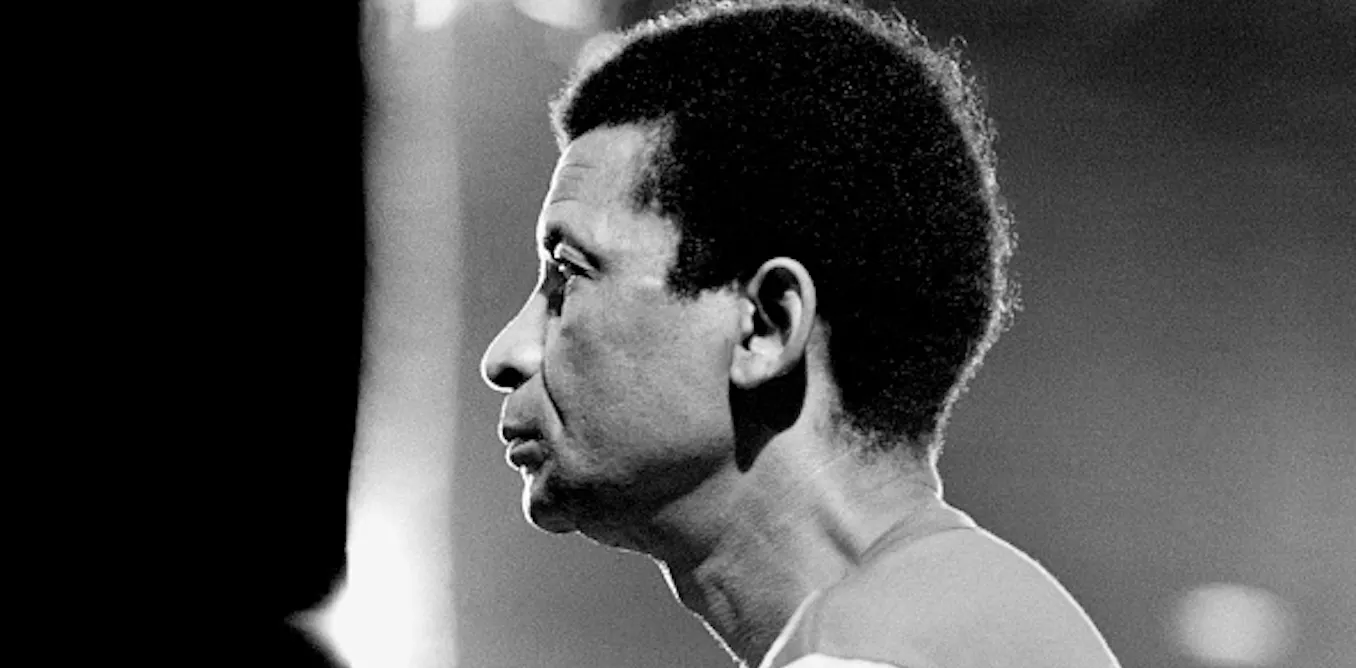
# Pianist Abdullah Ibrahim: A Musical Bridge Across South African Divides
Pianist Abdullah Ibrahim shaped South African culture during one of the nation's most turbulent periods, creating a musical language that transcended racial and political boundaries. Born in Cape Town in 1934, Ibrahim developed a compositional style that blended jazz, classical training, and indigenous South African musical traditions into something entirely new.
Ibrahim's work emerged during apartheid, when legal segregation defined every aspect of South African life. Rather than retreat into isolation, he built bridges through music. His compositions combined American jazz idioms with Cape Town's rich cultural heritage, creating pieces that spoke to audiences across the color line at a time when such connection was actively suppressed by law.
His education reflected the cultural complexity he later channeled into his art. Ibrahim studied both Western classical piano and the diverse musical traditions surrounding him in Cape Town, allowing him to draw from multiple traditions without privileging one above another. This approach proved revolutionary. When he performed internationally, his music carried South African identity to global audiences while maintaining artistic integrity.
Ibrahim's significance extends beyond performance. He demonstrated that artists could refuse the false choices apartheid imposed. His music rejected the idea that one must choose between African identity and Western classical training, between political commitment and artistic excellence. Each composition embodied what scholars call "multiple identities" operating in dialogue rather than conflict.
Throughout his career, Ibrahim remained politically engaged. He used his platform to challenge injustice while maintaining his focus on craft and innovation. His performances became acts of cultural resistance that operated on aesthetic rather than merely political grounds.
Ibrahim's legacy matters to contemporary education because his life illustrates how cultural education functions most powerfully when students engage multiple traditions simultaneously rather than in isolation. His example suggests that artistic excellence and cultural identity need not compete but rather strengthen each other through intentional synthesis.