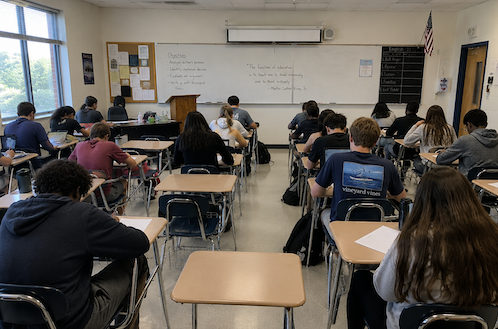
Schools face a critical challenge during summer break: the window closes for direct intervention against chronic absenteeism, yet the conditions that drive students away from classrooms persist year-round.
Chronic absenteeism, defined as missing 10 percent or more of school days, has reached crisis levels nationwide. Data from the U.S. Department of Education shows millions of students miss too much school annually, with rates climbing sharply post-pandemic. Students who miss school regularly fall behind academically, drop out at higher rates, and face reduced lifetime earnings.
Summer presents both obstacle and opportunity. While schools cannot mandate attendance during break, the months off create distance between students and their school communities. Students lose the daily structure that keeps some engaged. Transportation barriers, family instability, and lack of childcare intensify during summer months. Students who struggle during the academic year often drift further away when school ends.
Forward-thinking districts use summer strategically. They maintain connections through summer school programs, camps, and outreach calls. Staff reach out to chronically absent students and their families before fall arrives, rebuilding relationships and addressing barriers before September.
The real work happens in relationships. Schools that combat absenteeism effectively employ attendance counselors, social workers, and family liaisons who know students by name and understand their circumstances. These staff members identify why students miss school, then remove obstacles. Sometimes that means helping families secure transportation. Sometimes it means connecting households to mental health services or food assistance.
Summer matters because educators cannot simply enforce attendance back into existence when September comes. Students who have disengaged during the school year need time and trust to reconnect. A text message in August from a teacher who cares makes a difference. A summer program that feels welcoming, not punitive, brings students back.
Districts that treat summer as part of their attendance strategy, not a break from it, see measurable improvement. The effort requires continuous human