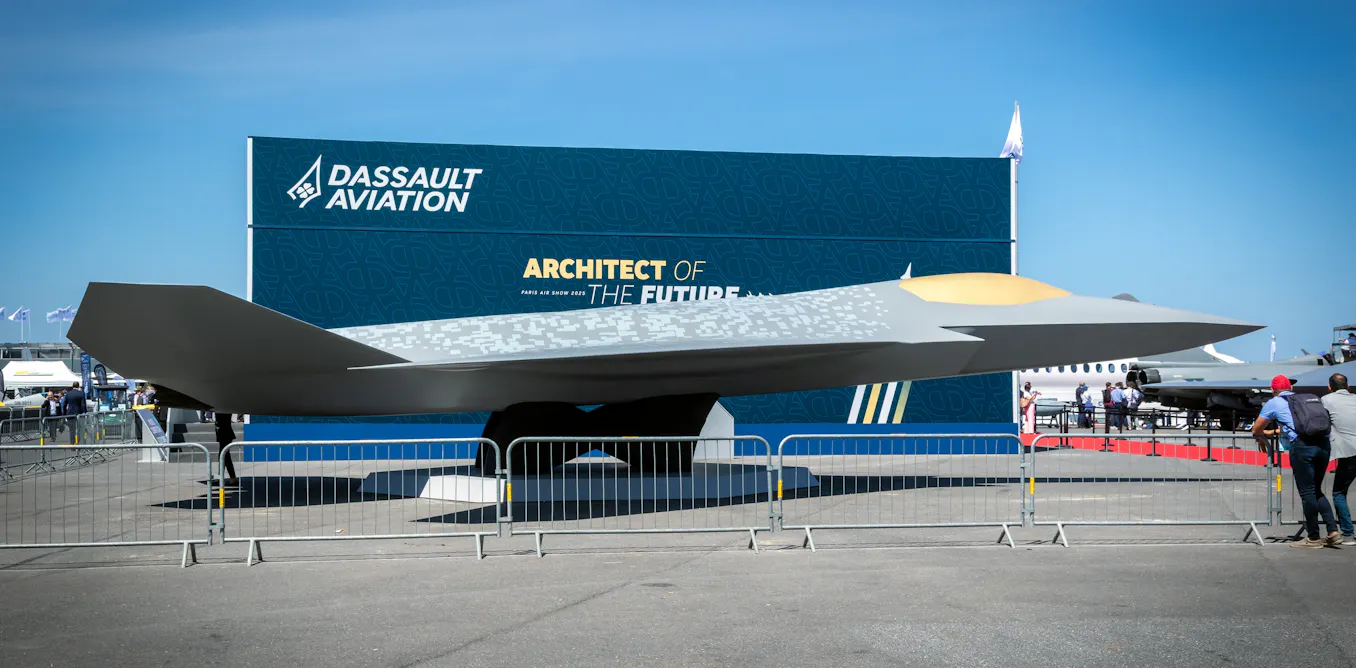
# European Defence Collaboration Fractures Over Fighter Jet Program
France and Germany's joint Future Combat Air System programme has collapsed, exposing deep fissures in European military cooperation. The two nations launched the initiative to develop a next-generation fighter jet, aiming to reduce dependence on U.S. defence technology and strengthen Europe's autonomous military capability.
The breakdown stems from competing national priorities and coordination failures between Paris and Berlin. France and Germany disagreed on technical specifications, cost-sharing arrangements, and program timelines. These disputes prevented the partners from reaching consensus on critical design decisions that would have moved the project forward.
The failure carries implications beyond aerospace engineering. Defence procurement represents one of Europe's most ambitious joint initiatives. When flagship programs collapse, they undermine confidence in European coordination more broadly. NATO members already face pressure to increase military spending following Russia's invasion of Ukraine. A fractured approach to developing advanced weapons systems complicates that effort.
The programme's collapse also affects smaller European nations that hoped to participate. Countries including Spain and Italy viewed the project as an opportunity to strengthen continental defence ties and access cutting-edge technology. The program's dissolution forces these nations to reconsider their own defence procurement strategies.
Germany and France still maintain separate fighter jet development ambitions, though at higher individual cost and with reduced technological interoperability. This duplication reflects the persistent challenge facing European defence policy: national governments prioritize sovereign control over weapons systems even when pooled resources would deliver stronger outcomes.
The setback underscores structural barriers to European defence integration. Unlike NATO coordination or EU trade agreements, weapons development requires governments to trust competitors with sensitive military technology. That trust erodes quickly when cost pressures or strategic disagreements emerge.
European leaders continue pursuing defence cooperation through other channels, including the European Defence Fund and bilateral partnerships. However, the Future Combat Air System collapse demonstrates that ambitious joint procurement remains vulnerable to national interests reasserting themselves when