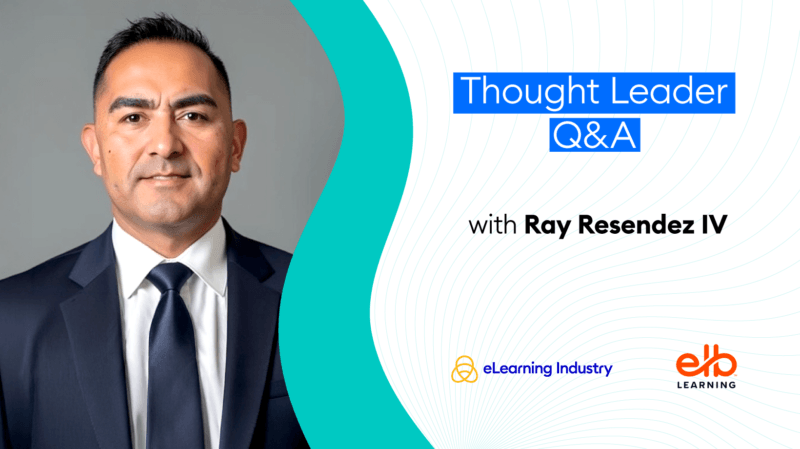
Ray Resendez IV, founder of ELB Learning, discusses how organizations build leadership capacity under pressure while maintaining accountability and measurable results.
Resendez emphasizes decision discipline as a core competency for leaders navigating complex environments. Organizations that establish clear decision-making frameworks reduce confusion and accelerate implementation, he explains. This approach works particularly well when leaders define authority boundaries upfront, so teams understand who decides what without requiring constant escalation.
Accountability structures matter more than motivational rhetoric, according to Resendez. Leaders must connect specific actions to outcomes and track progress transparently. When organizations skip this step, they create environments where effort replaces results as the measure of success. ELB Learning works with institutions to embed accountability into systems rather than relying on individual willpower.
High-pressure situations expose gaps in leadership preparation. Resendez notes that leaders hired or promoted without deliberate development often default to reactive problem-solving rather than strategic thinking. Organizations benefit from structured leadership programs that simulate pressure scenarios before crises occur.
Sustainable transformation requires measurement, Resendez argues. Organizations should establish baseline metrics before implementing changes, then track progress against those benchmarks. Without data, leaders cannot distinguish between noise and genuine progress. This discipline applies equally to K-12 schools, universities, and corporate settings.
ELB Learning focuses on helping institutions embed these practices into their cultures. Rather than one-off workshops, Resendez advocates for integrated systems where decision discipline, accountability, and leadership development work together. Leaders who receive coaching alongside organizational policy changes show better retention of new behaviors.
The conversation highlights a practical reality: institutions cannot transform by hiring new leaders alone. Existing leaders need structured development, clear frameworks, and accountability systems that reinforce better decision-making. Organizations that combine these elements see measurable improvements in execution speed and staff retention.