# Space Station STEM Series Becomes Unexpected YouTube Success
A fictional space station created by Duval County Public Schools as classroom curriculum has become an unexpected viral sensation on YouTube, reaching audiences far beyond Jacksonville, Florida classrooms.
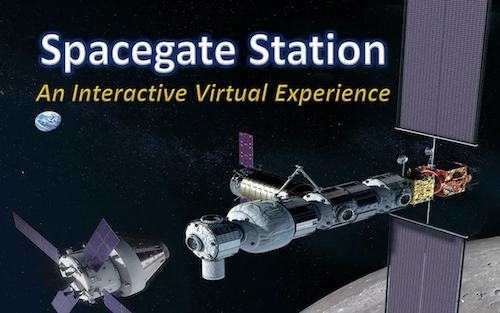
Spacegate Station launched in 2022 as instructional media designed to support daily STEM instruction within DCPS. The series features a space station orbiting the moon and delivers science and engineering content through narrative storytelling. What began as an internal educational tool has attracted sustained viewer engagement on YouTube, indicating the content resonates with students and learners outside the district's boundaries.
The success highlights a growing trend in education: student-generated or district-created media gaining traction in open digital spaces. Duval County Public Schools invested resources into producing quality STEM content that teachers could integrate into lessons. The platform's expansion demonstrates that well-designed educational content can serve dual purposes. It supports in-classroom learning objectives while appealing to independent learners, homeschooled students, and casual viewers seeking science education online.
YouTube's algorithm favors consistent uploads and engagement metrics. Spacegate Station's performance suggests the series delivers educational value in entertaining formats, a combination that educational content creators struggle to balance. The viewership extends the district's reach beyond its 130,000-student population and establishes DCPS as a content creator rather than just a content consumer.
This model offers districts a cost-efficient way to produce and distribute quality instruction. Rather than purchasing expensive third-party STEM materials, schools create proprietary content aligned to their curriculum standards. When that content succeeds online, it generates additional value through brand visibility and community engagement.
Spacegate Station's trajectory raises questions about how school districts can strategically develop digital content that serves both classrooms and public audiences. The series demonstrates that quality STEM instruction, presented through engaging storytelling, has market appeal beyond traditional school settings. As districts