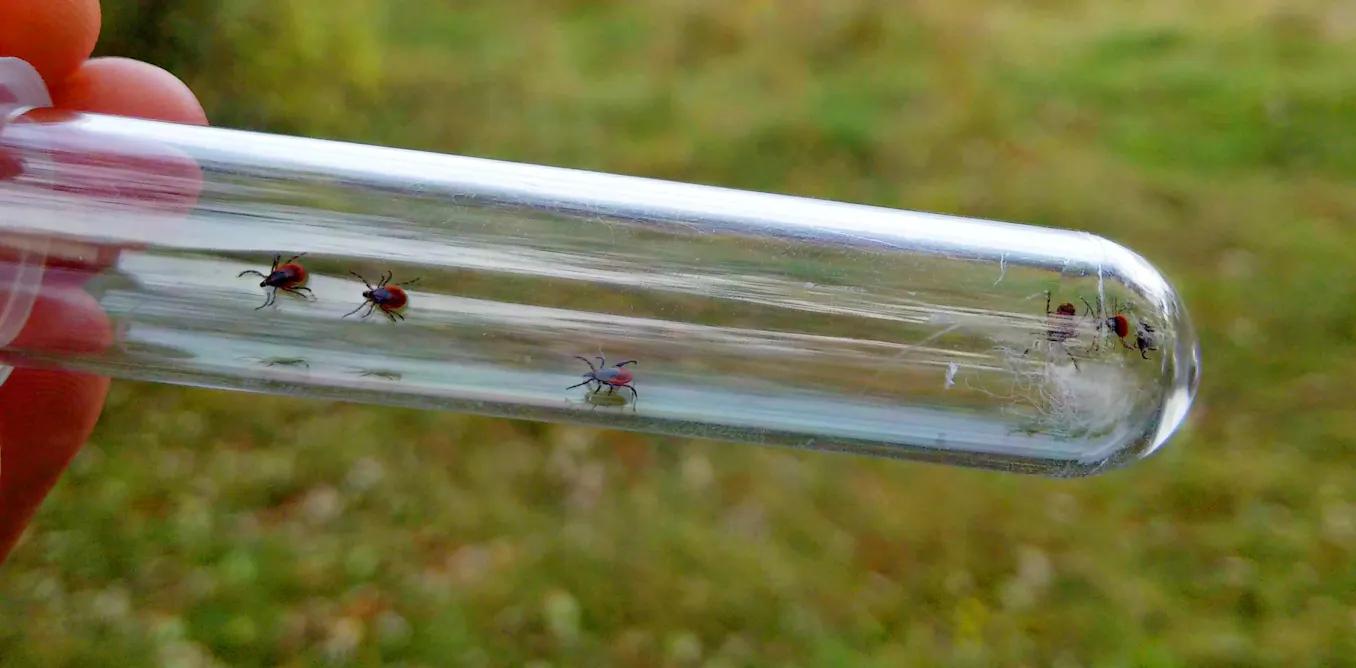
# Woodchips May Reduce Tick Exposure on School and Recreational Trails
Researchers in Ottawa tested a simple solution to a persistent public health problem: woodchips placed along trail edges significantly reduced tick populations. The study, conducted in the Ottawa Greenbelt, compared tick counts on trails with and without woodchip barriers.
Ticks pose a documented health risk, particularly for students and families who use outdoor spaces for education and recreation. Tick bites transmit Lyme disease and other pathogens. Schools across North America have increasingly incorporated outdoor learning, making tick management relevant to administrators and parents.
The Ottawa research placed woodchips along the perimeter of two trails and monitored tick presence over time. Results showed a notable decrease in tick numbers on treated sections. The mechanism appears straightforward: ticks typically migrate from wooded areas onto trail surfaces where humans walk. Woodchips create a barrier that deters this movement or traps ticks before they reach the path.
The intervention offers practical advantages for school grounds and public recreation areas. Woodchips cost less than chemical treatments and pose no chemical exposure risks to children or teachers. Installation requires minimal infrastructure compared to other pest management approaches.
Schools and park districts managing outdoor learning spaces now have evidence supporting woodchip application as a tick reduction strategy. The Ottawa Greenbelt findings suggest this approach works in temperate climates with established tick populations.
Implementation details matter for effectiveness. Trail width, woodchip depth, and maintenance schedules likely influence outcomes, though the available research highlights the core finding without extensive analysis of these variables.
Educators planning outdoor curricula and administrators responsible for student safety during field activities should consider woodchip barriers as part of comprehensive tick prevention strategies, which also include tick checks, appropriate clothing, and insect repellent use. This evidence-based approach integrates straightforward environmental management into existing outdoor education frameworks