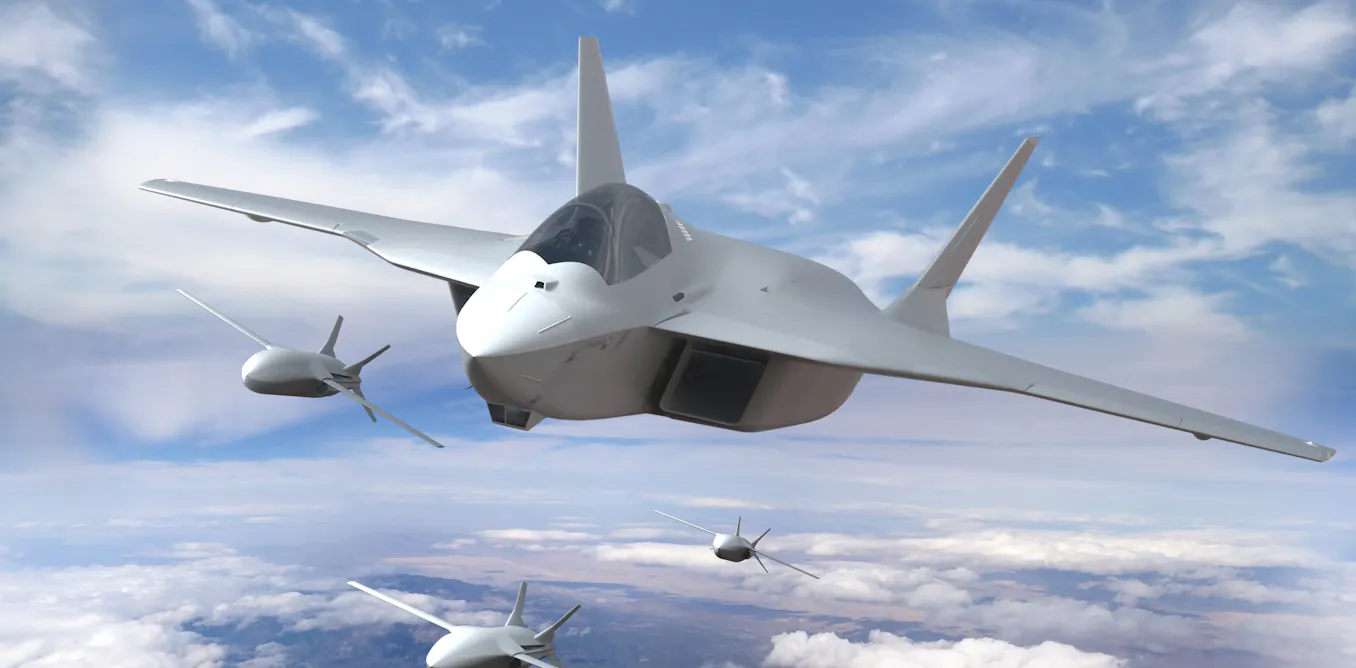
Germany suspended its participation in the Future Combat Air System (FCAS), a joint European fighter jet development program worth billions of euros. The decision follows years of disputes over project leadership, work distribution among partner nations, and control of intellectual property.
FCAS represents one of Europe's most ambitious defense initiatives, designed to replace aging fighter fleets across the continent. Germany, France, and Spain launched the program to reduce dependence on American military technology and establish European technological independence. The project carried enormous financial and political weight, positioning Europe as a serious competitor in advanced defense manufacturing.
The breakdown came from fundamental disagreements on governance. Germany sought greater control over development decisions, while France pushed for leadership of key components. Spain also competed for a larger workshare. These conflicts reflect deeper tensions about how European nations should collaborate on sensitive defense projects where national interests, industrial capacity, and technological advancement collide.
The suspension creates immediate problems for participating nations. Each country invested substantial public resources with the expectation of long-term industrial returns. Halting the program wastes development spending and delays modernization of combat aircraft fleets. More broadly, the failure demonstrates how difficult it remains for European countries to coordinate large-scale defense projects, despite repeated rhetoric about strategic autonomy.
The implications extend beyond aircraft. European defense cooperation depends on trust that partners will honor agreements and respect each other's interests. FCAS's collapse signals that this trust erodes quickly when stakes rise and economic benefits concentrate in particular regions. Future collaborative programs will face skepticism from government officials and industries burned by this experience.
Germany's withdrawal also creates openings for American and other foreign manufacturers. Europe's inability to finish indigenous projects makes allied nations more reliant on U.S. technology and willing to accept American terms on defense partnerships. For European policymakers committed to reducing transatlantic dependence, FCAS represents a setback with consequences spanning defense industrial capacity, strategic autonomy, and technological