School librarians face mounting pressure to justify their budgets, and data-driven advocacy offers a proven path forward. Rather than relying on anecdotal evidence, librarians who collect and present concrete metrics about student outcomes, circulation patterns, and classroom collaboration can make compelling cases to administrators and school boards for sustained or increased funding.
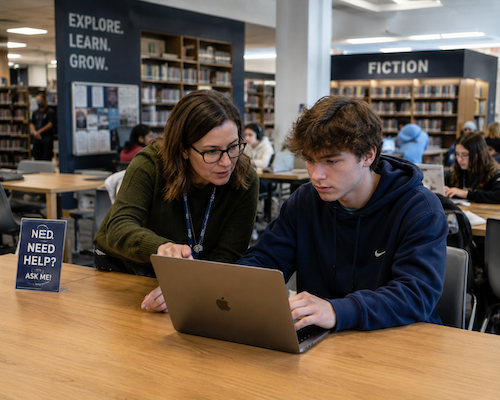
Libraries function as active learning hubs, not passive repositories. They support differentiated instruction by providing tailored resources for diverse learners. They partner with teachers to embed information literacy into core curriculum. They create space for students to develop research skills, critical thinking, and digital citizenship. Yet these contributions often remain invisible to budget committees unless documented systematically.
Effective data collection starts with clear questions. Do students who use library resources show measurable gains in reading comprehension or standardized test scores? How many classroom collaborations occur each semester? What percentage of students access the library weekly, and how does that correlate with academic performance? Librarians can track circulation by reading level, monitor usage of digital databases tied to assignments, and survey teachers about resource quality and relevance.
Libraries increasingly serve students returning from smartphone-dominated lives. This generation needs structured environments to develop information evaluation skills, access curated resources, and engage with trained professionals who can guide research. The library becomes a counterweight to algorithmic content filtering and misinformation.
Librarians should present findings through reports that connect library activities directly to school goals. If the district prioritizes closing achievement gaps, show how librarians support struggling readers through targeted collection development and one-on-one sessions. If administrators emphasize college and career readiness, document how research skills and digital literacy instruction strengthen postsecondary preparation.
Peer-reviewed research consistently demonstrates that well-resourced school libraries correlate with higher test scores and graduation rates. Studies by the American Association of School Librarians and state-level research provide national benchmarks. Local data combined with this