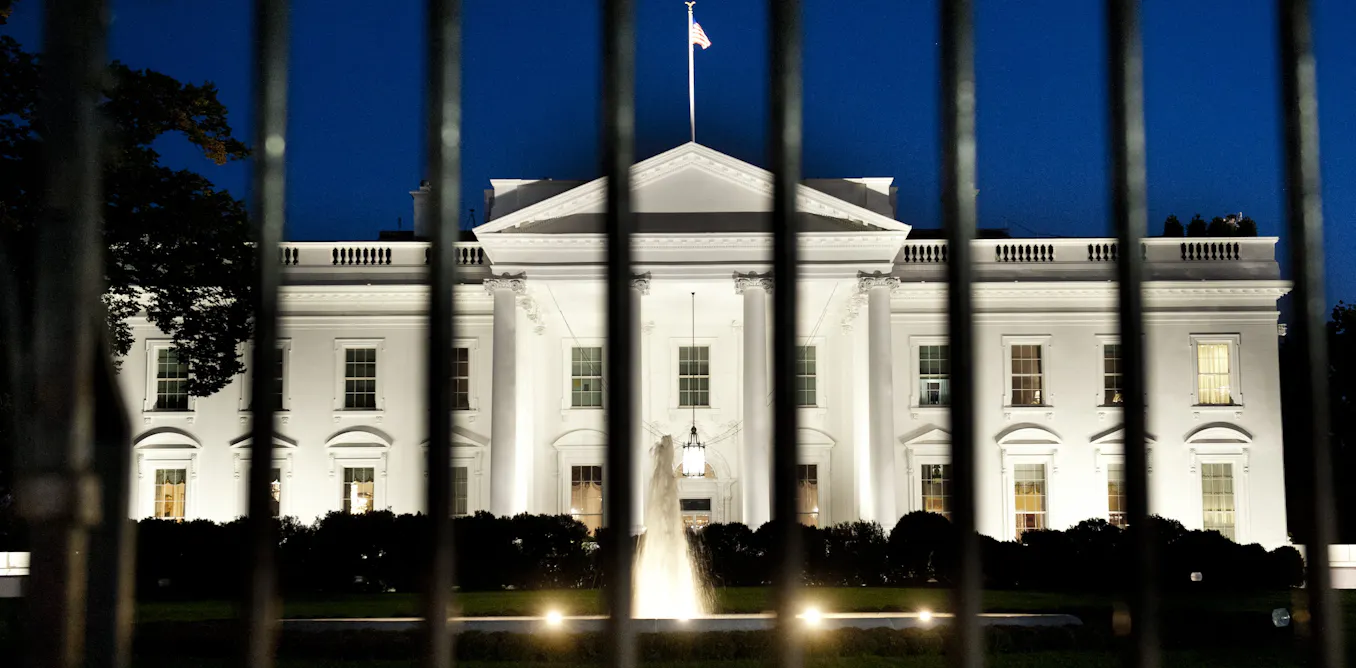
President Trump signed an executive order on artificial intelligence security that creates voluntary safety standards for the AI industry rather than imposing mandatory regulations. The order acknowledges risks from rapidly advancing AI systems but relies on companies to adopt safeguards without legal enforcement.
The voluntary framework aligns with concerns raised by AI safety researchers who warn that powerful AI systems pose genuine threats. These experts have highlighted risks ranging from cyberattacks enabled by AI to potential misuse in education and student privacy contexts. The order addresses these concerns by establishing principles for responsible AI development.
However, the voluntary approach differs sharply from regulatory models pursued by other governments. The European Union implemented the AI Act, which imposes legal requirements based on risk levels. The executive order instead encourages companies to self-regulate, setting expectations rather than requirements.
For schools and educators, the implications remain unclear. AI tools increasingly appear in classrooms for tutoring, grading, and student assessment. Without mandatory security standards, schools may struggle to evaluate which AI vendors meet genuine safety benchmarks versus marketing claims. The voluntary framework provides no guarantee that educational AI systems protect student data or operate reliably.
The order does signal administration attention to AI governance at a time when education leaders increasingly demand clarity about safe AI deployment. Many districts await clearer guidance before investing in AI-powered learning platforms.
Critics argue voluntary standards historically fail to prevent harmful outcomes when competitive pressure favors speed over safety. Supporters contend that heavy-handed regulation could stifle innovation in a field moving rapidly.
The tension between innovation and safety remains unresolved. Schools and parents lacking specific regulatory standards will need to evaluate AI tools independently, relying on vendor transparency and third-party testing rather than government verification. The executive order essentially passes responsibility for AI safety decisions to educators and institutions rather than establishing uniform federal requirements.