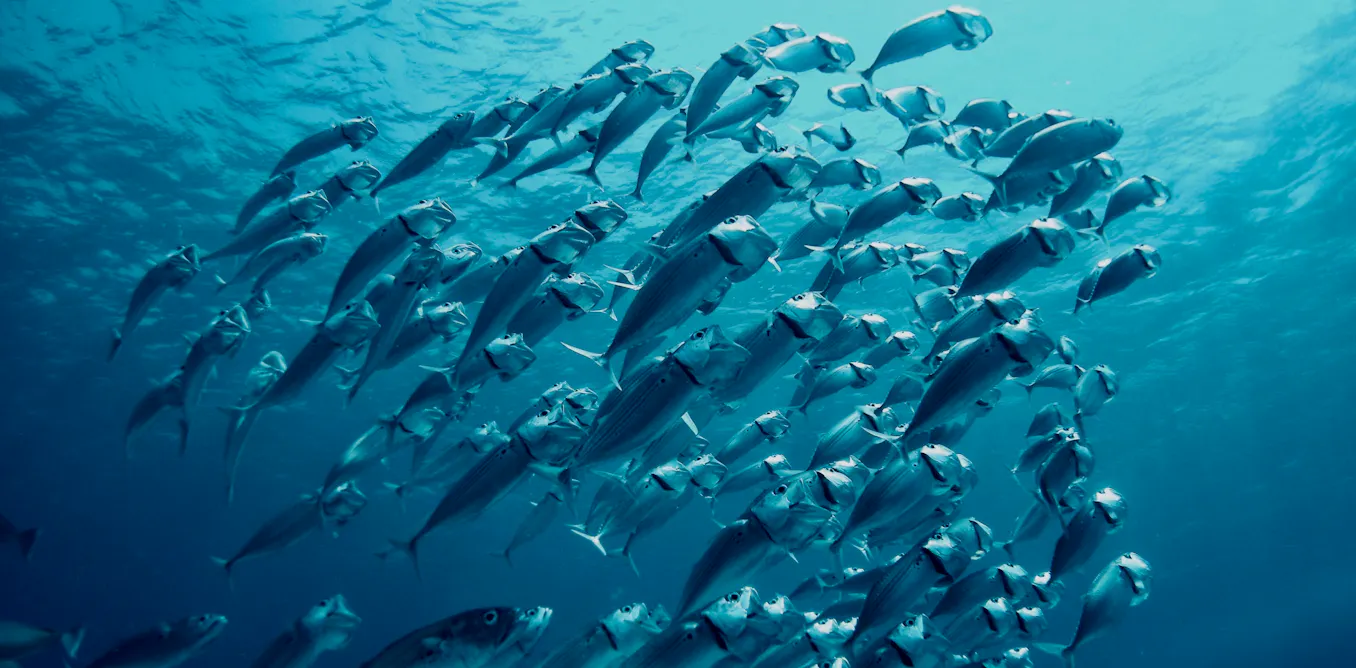
El Niño conditions have returned, pushing ocean temperatures toward record highs and triggering marine heat waves that threaten fish populations and coral ecosystems worldwide. The warming pattern, which develops when warm water in the Pacific Ocean spreads eastward, creates conditions that disrupt marine food webs and stress aquatic organisms.
Marine heat waves caused by El Niño produce cascading effects throughout ocean systems. Coral bleaching occurs when water temperatures exceed what corals can tolerate, causing them to expel symbiotic algae and turn white. Without these algae, corals lose their primary food source and face death within weeks if temperatures don't decline. Fish species respond by migrating to cooler waters or experiencing reduced reproduction rates, disrupting fishing communities that depend on stable catches.
The current El Niño pattern coincides with longer-term ocean warming trends driven by climate change, compounding stress on marine ecosystems. Scientists document that the combination of El Niño-related temperature spikes and baseline warming creates conditions more severe than either factor alone would produce.
Coastal communities relying on fishing face economic hardship when El Niño-driven migrations and die-offs reduce available catches. Aquaculture operations also suffer as water quality deteriorates and disease spreads through crowded farm environments during heat waves.
The return of El Niño underscores how ocean systems respond rapidly to natural climate variations, with consequences felt across both marine ecosystems and human communities. Understanding these patterns helps inform fisheries management and conservation strategies aimed at protecting vulnerable populations of fish and coral during inevitable warming events.