# Indigenous Communities Excluded from Climate Protection Efforts, With Limited Legal Recourse
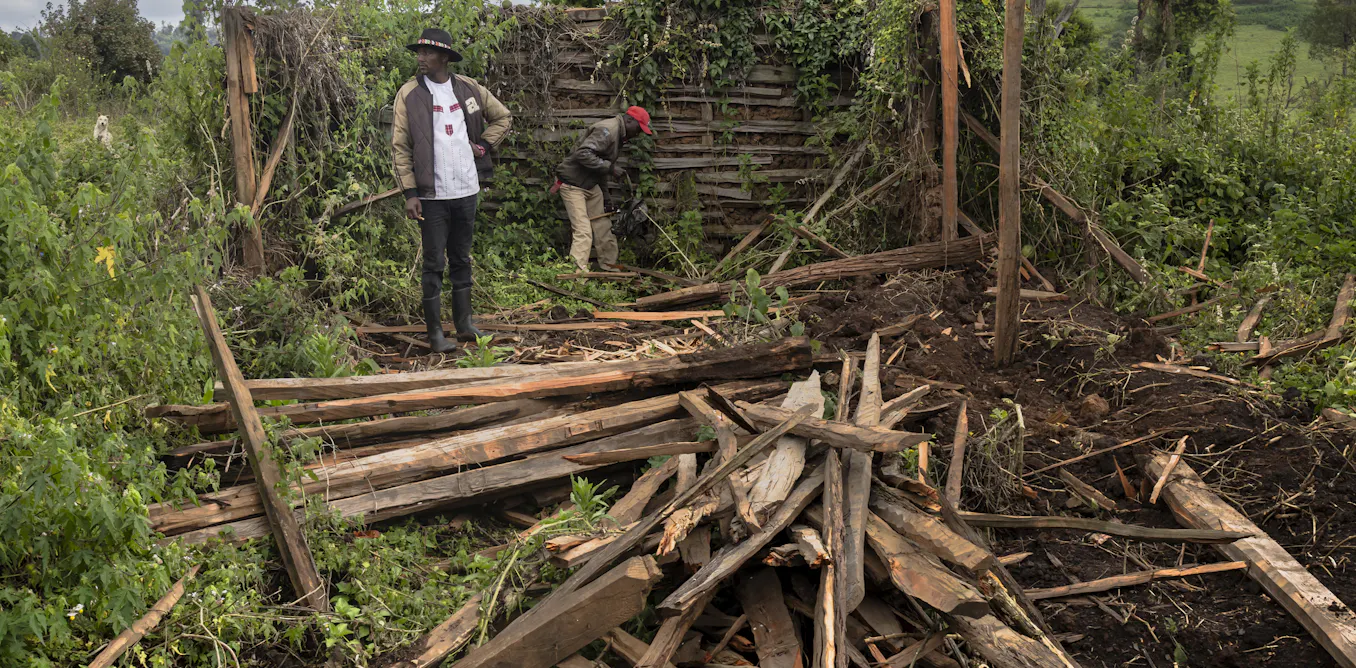
Conservation projects designed to combat climate change frequently displace Indigenous communities from ancestral lands without meaningful consultation or compensation. These green initiatives, while environmentally focused, sideline the groups who have stewarded these ecosystems for centuries.
The exclusion creates a paradox: Indigenous lands cover roughly 22 percent of the global land surface yet contain 80 percent of Earth's remaining biodiversity. Research shows Indigenous-managed territories actually maintain ecosystems more effectively than government-protected areas. Yet when climate and conservation policies take shape, Indigenous peoples rarely have a seat at the table.
The displacement follows a familiar pattern. International climate funding and national environmental programs establish protected areas, carbon offset projects, or renewable energy zones without adequate input from Indigenous inhabitants. Communities lose access to hunting grounds, fishing waters, and forests essential to their food security and cultural survival.
The legal problem compounds the injustice. Most nations lack domestic mechanisms for Indigenous people to challenge these land takings or demand accountability. International human rights frameworks exist, but enforcement remains weak. The UN Declaration on the Rights of Indigenous Peoples calls for free, prior, and informed consent before projects affecting their lands. Implementation gaps are enormous.
Some nations have begun recognizing Indigenous land rights more formally. But gaps persist between policy and practice. Even where laws exist, enforcement depends on political will and available legal resources Indigenous communities often cannot access.
The climate fight needs Indigenous participation, not displacement. Evidence shows land protection works best when Indigenous communities lead management decisions and receive equitable benefit-sharing from conservation projects. Excluding these communities wastes both environmental and human capital.
Policymakers designing climate initiatives must shift from consultation-as-checkbox to genuine partnership. This means legal protections for land rights, community veto power over projects, and revenue sharing. The alternative perpetuates an extractive model where environmental goals override human