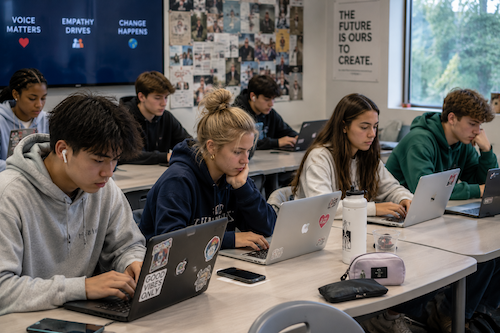
Generation Z students express optimism about artificial intelligence despite widespread concerns about job displacement and algorithmic bias, according to a new report examining the cohort's career aspirations and values.
The survey, which ranks Gen Z's top 100 dream colleges and preferred employers, reveals that young people view AI as a tool that will shape their professional landscape rather than eliminate it. This outlook contrasts with broader societal anxiety about automation and workforce disruption.
Gen Z enters the job market during unprecedented technological change. Unlike previous generations, these students have grown up alongside rapid AI development and normalization. Many have already used AI tools in their education, from writing assistants to tutoring platforms. This early exposure appears to foster pragmatism over fear.
The report identifies which colleges and employers resonate most with Gen Z based on their stated values. Top institutions and companies on the list reflect priorities including innovation, social responsibility, and adaptability to changing work environments. Students increasingly evaluate employers based on how they approach AI implementation and workforce development.
The cohort's optimism comes with caveats. Gen Z students still recognize legitimate concerns about job security, wage stagnation, and equitable access to AI-driven opportunities. However, many view reskilling and continuous learning as necessary career strategies rather than obstacles.
This perspective carries implications for higher education institutions. Colleges must align curriculum with emerging skill demands while addressing student anxiety about economic mobility. Programs in data literacy, AI ethics, and human-AI collaboration become increasingly important.
The research underscores a generational shift in how young people approach workforce preparation. Rather than resist technological change, Gen Z largely accepts it as inevitable and focuses on positioning themselves to thrive within it. Schools, employers, and policymakers watching this cohort's choices will shape how education and training systems respond to AI's integration into the economy.