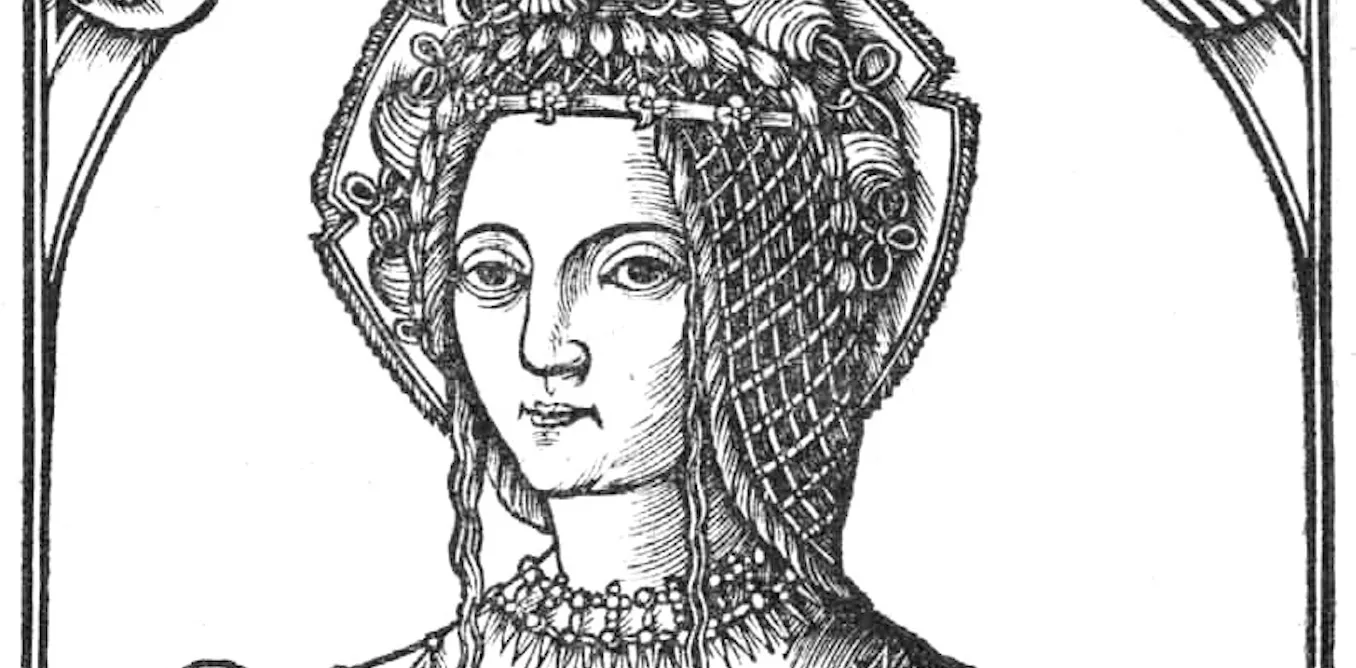
# Queen Bona Sforza: Power, Wealth, and the Cost of Female Leadership
Queen Bona Sforza built a financial empire in 16th-century Poland that transformed royal coffers and expanded dynastic power across eastern Europe. Yet her achievements drew intense criticism from male contemporaries who branded her dangerous simply for wielding authority.
Born into the Italian Sforza dynasty, Bona married Polish King Sigismund I and immediately reshaped the kingdom's economic landscape. She took direct control of royal finances, streamlined tax collection, and invested strategically in land and trade. Her reforms generated unprecedented wealth for the Polish crown at a time when most European monarchies struggled with debt.
Beyond finance, Bona exerted substantial influence over foreign policy and succession. She cultivated relationships across European courts, negotiated treaties, and positioned her children to inherit power across multiple kingdoms. By most measures, her tenure as queen consort made Poland more prosperous and politically stable.
Male chroniclers of her era, however, framed her agency as overreach. They depicted her as scheming, manipulative, and unfit for the power she wielded. This narrative persisted for centuries, shaping how historians understood her legacy.
Modern scholarship reveals a different story. Bona Sforza operated within accepted channels of royal authority available to queens of her era. She used marriage alliances, land ownership, and patronage networks to build wealth and influence, much as male rulers did. Her methods were conventional. Her crime, historians now argue, was succeeding too visibly in a male-dominated political structure.
The Bona Sforza story matters beyond the Renaissance. It demonstrates how historical records often distort women's contributions through a lens of suspicion and fear. When women exercise power effectively, institutions and chroniclers may label them as aberrations rather than leaders. Understanding this