# Fruit and Vegetable Quality Matters for Heart Health
Researchers have found that not all fruits and vegetables deliver equal heart health benefits, challenging the common assumption that any produce improves cardiovascular outcomes.
The study examined bioactive compounds in different fruits and vegetables. These compounds include flavonoids, carotenoids, and polyphenols, which reduce inflammation and support arterial function. Some produce contains far higher concentrations of these protective substances than others.
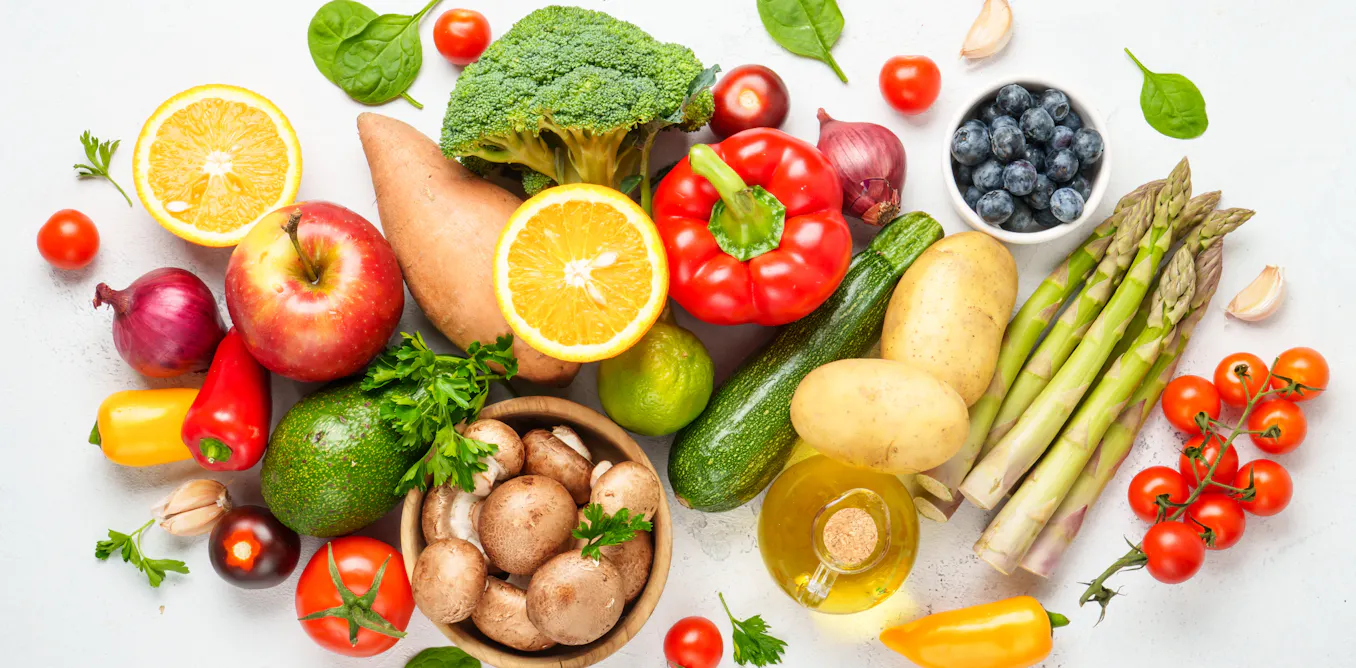
Dark leafy greens like spinach and kale rank among the highest sources of beneficial bioactives. Berries, particularly blueberries and strawberries, also pack significant amounts of heart-protective flavonoids. Tomatoes deliver lycopene, a potent antioxidant linked to lower cardiovascular disease risk.
Other common vegetables and fruits provide nutritional value but contain lower levels of these specific bioactives. White potatoes and iceberg lettuce offer fiber and vitamins but fewer of the compounds most directly associated with heart protection.
The research matters because public health messaging often treats all produce the same. Individuals managing cardiovascular conditions or seeking to prevent heart disease can make smarter choices by targeting higher-bioactive options. This doesn't mean abandoning other vegetables. Rather, it suggests strategic selection can amplify the heart health returns from the same number of daily servings.
The findings support existing dietary guidelines recommending produce consumption while refining the approach. Someone eating five daily servings of spinach, berries, and tomatoes gains more cardiovascular protection than someone consuming five servings of lower-bioactive options.
Researchers note that food accessibility and affordability affect real-world application. Dark leafy greens and berries often cost more than other produce, creating equity concerns in nutrition advice. Practical recommendations must account for budget constraints while helping people maximize benefits from whatever produce they can access.
This research signals that