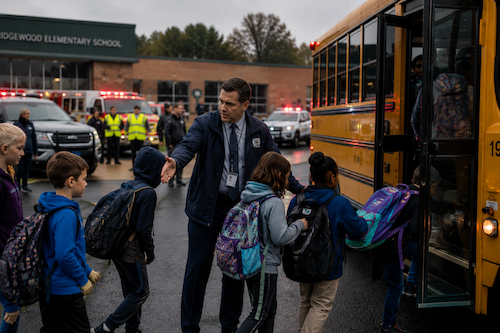
A school district's comprehensive safety plan extends far beyond compliance paperwork. Effective planning requires coordination across multiple layers—physical security, threat assessment, emergency response, staff training, and mental health support—working together as an integrated system.
Districts implementing robust safety frameworks report measurable outcomes. Schools that conduct regular threat assessments, maintain updated emergency protocols, and train staff annually show faster response times during incidents. Clear communication channels between administrators, teachers, counselors, and law enforcement prevent critical information gaps.
Physical infrastructure matters alongside planning. Controlled access points, secure visitor management, and maintained hallway visibility reduce vulnerability. However, security measures alone prove insufficient. Schools pairing infrastructure upgrades with mental health services, threat assessment teams, and de-escalation training demonstrate lower rates of behavioral incidents before they escalate.
Staff buy-in determines implementation success. Teachers and support staff must understand their roles in evacuation procedures, lockdown protocols, and recognizing warning signs. Schools conducting quarterly drills and soliciting staff feedback on plan weaknesses report higher confidence levels among educators. This confidence translates directly to student safety awareness.
Student mental health screening and threat assessment programs identify at-risk individuals before crises occur. Schools using structured threat assessment tools—which evaluate statements, behaviors, and access to weapons rather than profiling—catch concerning patterns early. Pairing assessment with counseling services addresses root causes rather than treating symptoms.
Communication with families strengthens the entire system. Parents who understand safety procedures and know how to report concerns become additional eyes and ears. Districts sending regular updates about safety investments and procedures see increased community trust.
Comprehensive planning does not guarantee zero incidents, but it reduces response times, clarifies staff responsibilities, and creates multiple intervention points. Schools treating safety planning as an ongoing operational priority rather than a one-time compliance task see sustained improvements in both security and school climate. The difference lies in continuous evaluation, staff training, and integration of physical security