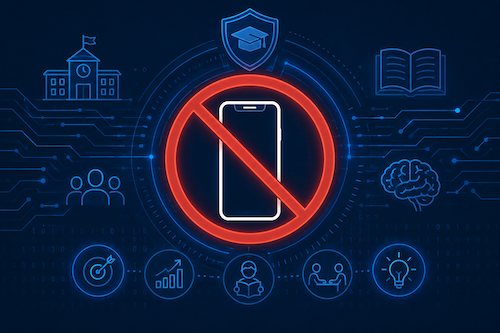
School districts across the country are moving beyond outright cell phone bans to adopt nuanced policies that restrict device use during instruction while keeping phones accessible for emergencies and learning activities.
The shift reflects growing recognition that blanket bans prove difficult to enforce and fail to teach students responsible device management. Instead, schools implement systems that allow phones to remain in classrooms or lockers but limit access during lessons. Some districts use technology solutions like locked pouches or designated phone storage areas that students retrieve during breaks.
The debate centers on balancing competing concerns. Research shows that cell phones distract students from learning and contribute to academic performance declines. Studies from institutions including the University of Chicago and Yale University document measurable impacts on test scores when phones are present in classrooms. Yet complete prohibitions ignore legitimate needs. Parents want to reach children in emergencies. Students benefit from access to digital tools for research, note-taking, and accessibility needs.
Districts like Los Altos Unified in California and schools in Chicago's public system experimented with phone-free policies before adopting tiered approaches. These models typically allow device use before school, during lunch, and in designated periods, while restricting access during core instructional time.
Educators emphasize that effective policies require clear communication with families about why restrictions exist and what behaviors schools expect. Schools that succeed incorporate student input in policy development rather than imposing rules unilaterally.
The technical solutions vary. Some schools use locking pouches manufactured by companies like Yondr, where students store devices but retain possession. Others designate phone lockers near entrances. A few schools provide locked boxes in classrooms that remain closed during lessons.
Districts implementing these middle-ground approaches report fewer behavioral incidents and improved focus without the enforcement headaches that come with total bans. Teachers spend less time policing devices and more time teaching.
Policymakers recognize that phone management teaches life skills students need