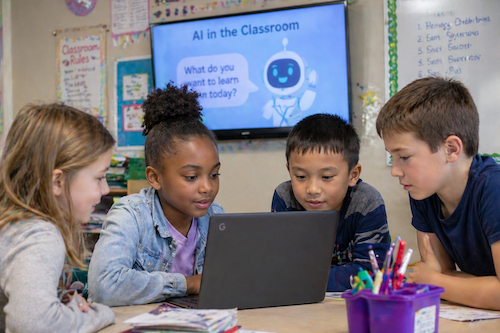
American schools lack consistent policies for artificial intelligence, leaving adoption decisions to individual teachers rather than district-wide frameworks. This fragmented approach creates vastly different student experiences depending on which classroom they enter.
Some teachers use AI tools like ChatGPT for lesson planning and grading support. Others deploy AI-powered tutoring platforms to personalize instruction for struggling students. Still others restrict or ban AI entirely, viewing it as a cheating risk. Without clear guidelines, schools struggle to balance innovation with academic integrity.
The inconsistency raises real questions. Students in one class may submit work generated by AI and receive credit, while peers across the hall face academic dishonesty charges for the same action. Bilingual learners might benefit from AI translation tools in one subject but find them unavailable in another. Teachers lack professional development on responsible AI use, leaving them to navigate the technology alone.
District leaders cite competing pressures. They want to prepare students for a technology-driven workforce. They also worry about data privacy, equity gaps, and job displacement for teachers. Some districts have begun drafting AI policies, but most remain in reactive mode, addressing problems as they surface rather than planning proactively.
Schools that have moved faster on AI integration report both wins and warnings. Personalized tutoring systems show promise for helping lower-performing students catch up. But without guardrails, these same systems can widen disparities if affluent schools access better tools first. Data security concerns mount as more student information flows through AI systems with unclear privacy protections.
Teachers themselves demand clarity. They need guidance on where AI belongs in assessment, how to teach students to use it ethically, and which tools actually improve learning versus which simply cut corners. Professional organizations have begun releasing frameworks, but adoption remains scattered.
The stakes matter for students entering a job market where AI fluency matters. Schools that treat AI as a deliberate instructional choice, supported by training and