# Summary
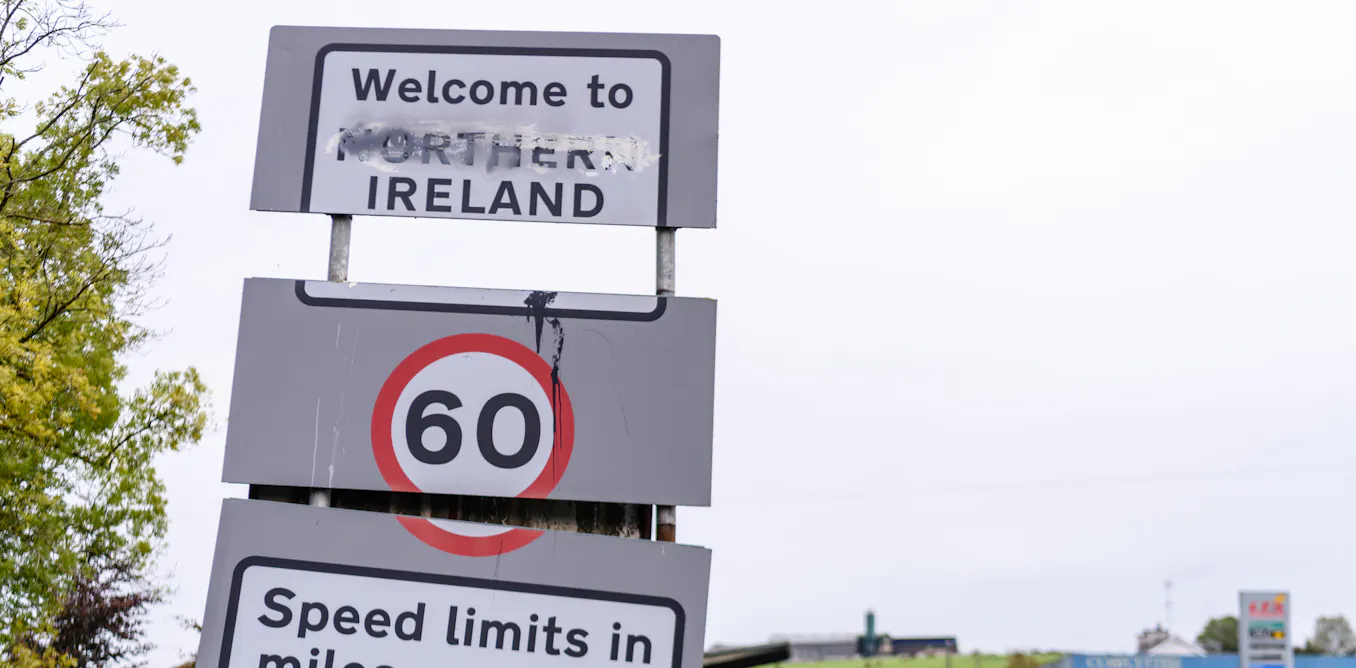
The Common Travel Area (CTA) between Ireland and the UK functions as a longstanding bilateral arrangement, not a migration loophole, despite recent claims following violence in Belfast connected to a Sudanese national charged with attempted murder.
The CTA, established in 1923, predates modern immigration law and grants Irish and British citizens reciprocal rights to live, work, and study in each other's countries without visas. Under this arrangement, Irish citizens can move freely to the UK, and British citizens enjoy equivalent access to Ireland. The system operates independently of EU freedom of movement rules, surviving both Britain's EU membership and its subsequent exit.
Recent incidents in Belfast triggered political rhetoric suggesting migrants exploit the CTA to enter the UK through Ireland. However, the arrangement specifically protects only Irish and British nationals. Third-country nationals, including asylum seekers and migrants from Sudan, Nigeria, and other nations, face the same immigration controls in both jurisdictions. They cannot use the CTA to bypass UK border security.
The distinction matters for education and employment sectors. Universities across both islands recruit Irish and British students without visa barriers. Workers with either citizenship can access job markets directly. These freedoms apply exclusively to the two nationalities and reflect historical ties predating modern immigration frameworks.
Irish authorities conduct their own immigration enforcement. The European Commission has repeatedly recognized the CTA as compatible with international law. Both governments maintain independent entry requirements for non-CTA nationals, preventing the "loophole" characterization from holding factual weight.
The recent violence, while serious, does not reflect CTA design or function. Investigations into how individuals entered either jurisdiction must examine specific visa applications and border procedures rather than the bilateral agreement itself. Schools, colleges, and employers operating across the Ireland-UK border rely on the CTA framework for legitimate student and staff mobility, a function that remains distinct from third-country migration pathways.