# Wildlife-Human Conflicts Drive South Africa's Conservation Reckoning
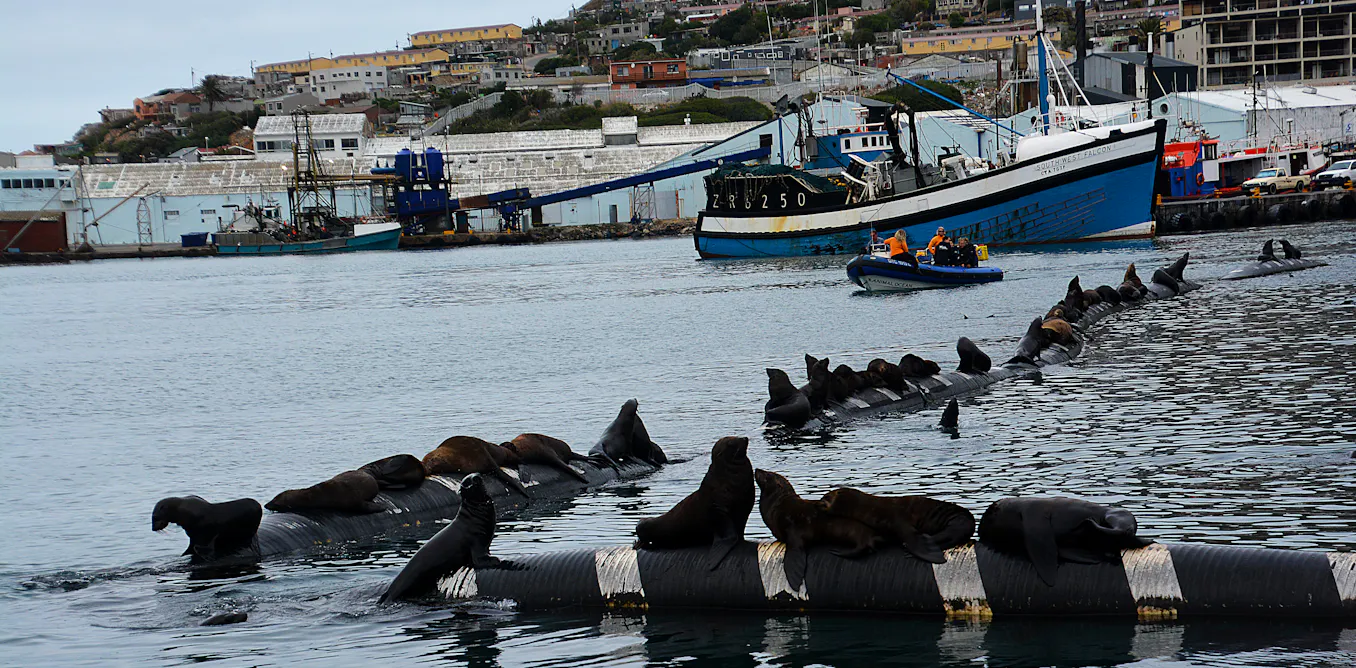
South Africa confronts a growing conservation challenge as expanding human populations increasingly interact with wildlife in ways that reshape policy and management strategies. From Cape Town's kelp forests to rural hunting debates and urban shark encounters, the nation grapples with balancing wildlife protection against immediate human needs and safety concerns.
Cape Town's kelp forest ecosystems face pressure from coastal development and resource extraction, threatening marine biodiversity that supports both tourism and fishing communities. Meanwhile, shark incidents in popular beaches have fueled public debate about predator management versus species preservation. These tensions reflect a larger pattern across South Africa where conservation decisions now pivot on human-wildlife coexistence rather than preservation alone.
Hunting remains especially contentious. Rural communities argue for harvest rights tied to land use and food security, while conservation organizations push for stricter protections. Elephant, lion, and antelope populations have become flashpoints where cultural practices, economic incentives, and biological sustainability collide without clear resolution.
Tourism adds another layer. Wildlife viewing generates revenue that funds conservation efforts, yet increased visitor access to protected areas stresses habitats and wildlife behavior. Communities near game reserves wrestle with whether benefits from eco-tourism offset restrictions on traditional land use.
South Africa's approach increasingly recognizes that conservation cannot succeed by excluding humans. Indigenous land management practices, community-based conservation programs, and stakeholder councils now shape policy alongside biological data. The shift reflects a pragmatic understanding that sustainable conservation requires addressing human interests directly rather than imposing top-down restrictions that breed resentment.
These evolving interactions reveal that wildlife protection in developing nations depends less on fortress conservation models and more on frameworks that integrate economic development, food security, cultural rights, and species survival. South Africa's experience offers lessons for other nations navigating similar tensions between human populations and biodiversity.