# Private Space Tourism Is Booming, But Outer Space Law Hasn't Caught Up
Commercial space companies are launching rockets and carrying passengers at unprecedented rates, yet the legal framework governing these activities dates back to the Cold War era. The Outer Space Treaty of 1967 remains the primary international agreement regulating space activities, creating a growing mismatch between modern commercial practice and outdated legal structures.
The treaty was designed when only superpowers conducted space missions. Today, private companies like SpaceX, Blue Origin, and Virgin Galactic operate commercial flights with paying customers. These operations raise questions the original treaty never addressed: Who is liable if a passenger is injured? What environmental protections apply to space debris? How do nations regulate companies operating from their territory?
Current law assigns responsibility to governments, not private operators. Each nation must authorize and supervise space activities launched from its soil. But the treaty contains no specific rules for passenger safety, insurance requirements, or emergency protocols. It also predates concerns about space debris, orbital congestion, and environmental impacts of frequent launches.
National regulations have begun filling gaps. The Federal Aviation Administration oversees U.S. commercial spaceflight through licensing requirements and safety standards. The UK established its own Space Agency and licensing regime in 2021. However, these national approaches lack coordination, creating inconsistent rules across borders.
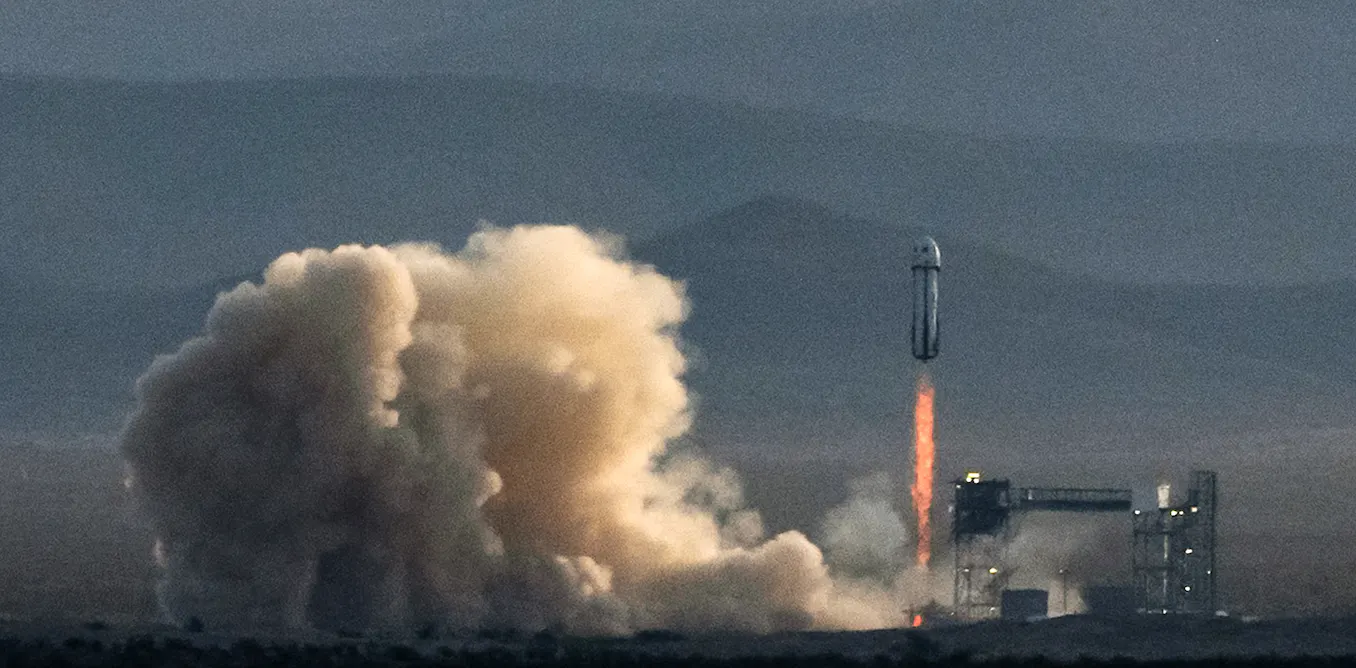
Legal experts and industry groups now push for updated international agreements. The UN Committee on the Peaceful Uses of Outer Space continues discussions, but progress is slow. Meanwhile, the number of private launches climbs steadily. Blue Origin and Virgin Galactic have already flown tourists to the edge of space. SpaceX plans longer orbital missions.
The gap between law and innovation creates risks. Passengers lack clear protections. Space debris accumulates with limited accountability. Nations compete without unified safety standards. Without modernized frameworks, the rapid growth of commercial spaceflight