# Canada Explores Public Investment in Food Retail to Challenge Grocery Monopolies
Canada's grocery market remains heavily concentrated in the hands of a few corporate chains, limiting consumer choice and driving up food costs. Public investment in alternative food retail, distribution, and wholesale infrastructure offers a pathway to break this concentration and create a more diverse food system.
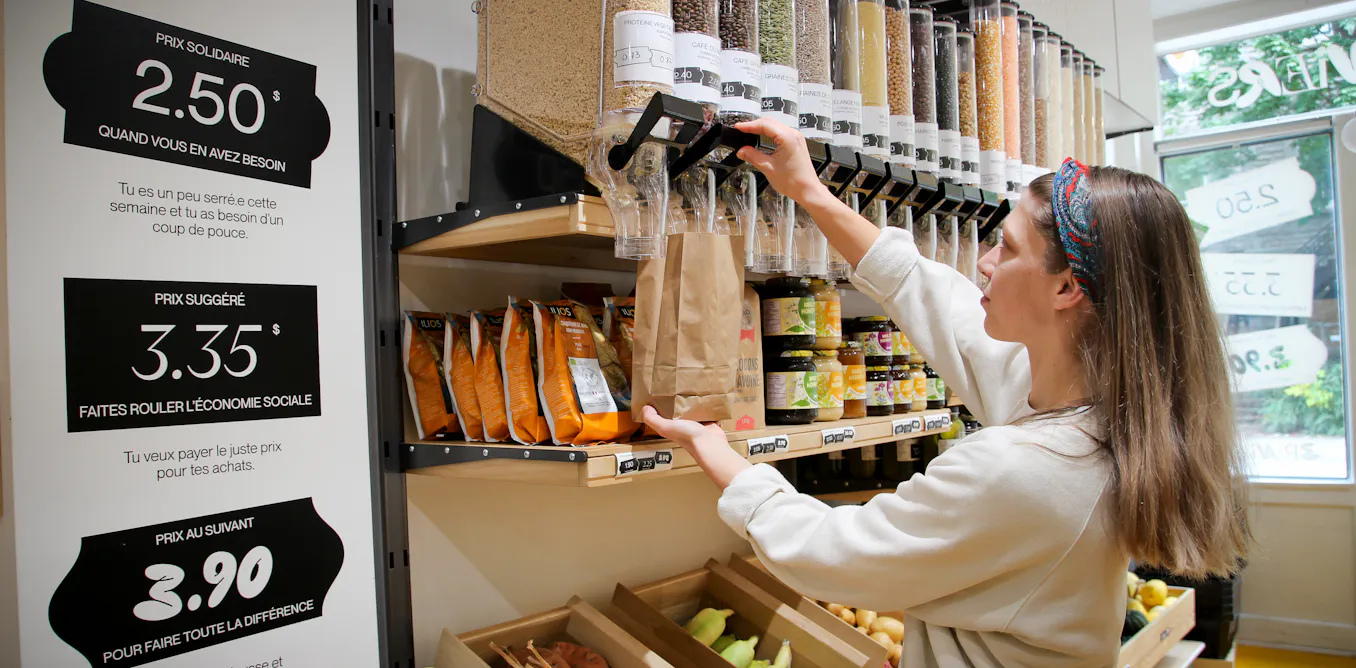
The Conversation reports that governments can learn from existing models that operate outside traditional corporate structures. Food cooperatives, public markets, and community-based distribution networks already operate across Canada, demonstrating viable alternatives to chain groceries. These models often provide lower prices, stronger community connections, and more sustainable sourcing practices.
Public investment could strengthen these alternatives by funding infrastructure, providing startup capital, and supporting operational costs. Such initiatives exist in other countries. Quebec's cooperative model, for instance, shows how government backing can sustain member-owned food businesses. European countries have long funded public markets and wholesale hubs as essential infrastructure.
The benefits extend beyond price competition. Public models typically prioritize local producers, reduce food waste through shorter supply chains, and create jobs in communities. They also give residents agency over what products appear on shelves, rather than leaving decisions to distant corporate offices.
For students and young adults entering the workforce, this shift could create new career opportunities in cooperative management, food distribution, and community food systems. For families struggling with grocery costs, alternatives reduce their dependence on corporate retailers.
The challenge lies in political will and sustained funding. Governments must treat food retail infrastructure as public infrastructure worthy of investment, not purely as private enterprise. Canada's current system concentrates power and profit among Loblaw Companies, Sobeys, and Costco, making change difficult without deliberate intervention.
Policymakers examining this issue should study existing cooperative models within Canada and learn from international examples. The evidence suggests public investment in food system alternatives generates economic, health, and social returns that benefit entire regions.