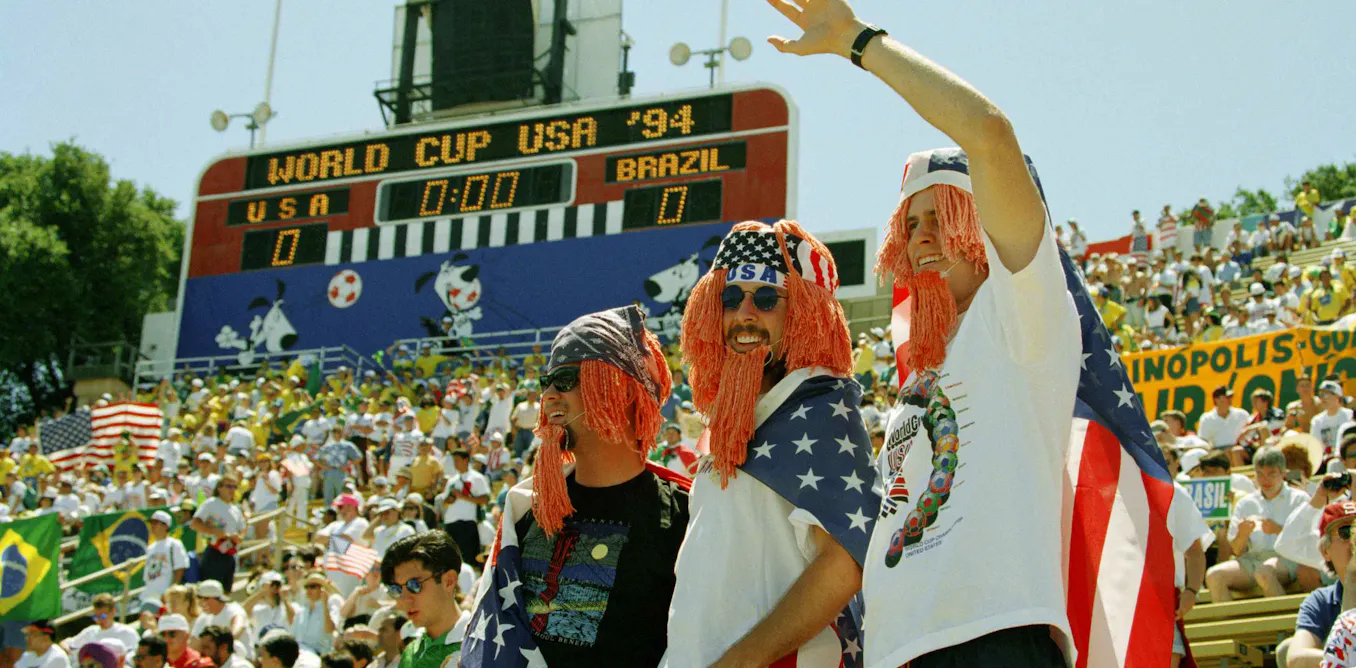
# The 1994 World Cup's Soccer Brilliance Amid Off-Field Chaos
The 1994 FIFA World Cup, hosted in the United States, delivered exceptional soccer while becoming entangled in controversies that extended far beyond the pitch.
On the field, the tournament showcased elite play. Colombia's Andrés Escobar became a focal point of attention for his own-goal in a match against the United States, a moment that later took on tragic dimensions when he was murdered weeks after returning home. The tournament also featured standout performances, including the emergence of players who would define international soccer in the decades that followed.
Off the field, multiple scandals overshadowed the competition. Drug-related controversies touched several players and delegations. The tournament also became intertwined with broader American cultural moments of 1994, most notably occurring during the OJ Simpson car chase, which captured national attention and television audiences during World Cup matches.
The tournament's hosting in the United States marked a significant moment for soccer's development in North America. American interest in the sport grew, though it remained secondary to established sports like football, basketball, and baseball. The World Cup served as a platform to build the sport's profile domestically.
Despite the off-field drama, the quality of play proved exceptional. The tournament demonstrated that American venues could host a major international sporting event effectively, with matches drawing substantial crowds and generating revenue that would influence FIFA's future decisions on host nations.
The 1994 World Cup ultimately exists in dual memory: a soccer showcase that elevated the sport's technical standards and an event marked by personal tragedy, substance abuse allegations, and the collision of sports with the broader American cultural landscape. The tournament's legacy encompasses both athletic excellence and the sobering reality that major international events cannot be isolated from the events and controversies surrounding them.