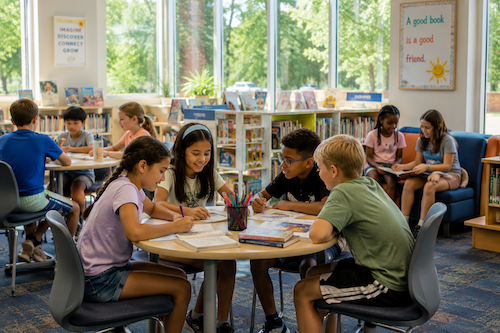
Schools increasingly view summer as a critical intervention window to prevent learning loss and close achievement gaps rather than simply a break from the academic year.
Research spanning 35 years demonstrates that summer learning programs significantly impact literacy development and student outcomes, particularly for disadvantaged children. Without structured summer learning, students from low-income families experience measurable declines in reading skills during the three-month break. The gap widens when wealthier families access enrichment activities, tutoring, and educational travel during summer months.
Districts now design summer strategies around three core elements: targeted literacy instruction, community partnerships, and equitable access. Successful programs extend beyond traditional classroom instruction to include library partnerships, community centers, and digital learning platforms. These initiatives reach children who might otherwise spend summers without educational engagement.
Effective summer programs prioritize high-need students while remaining open to all children. They employ evidence-based reading interventions aligned with school-year curricula to ensure continuity. Programs also incorporate social-emotional support, recognizing that summer break affects more than academics. Many children rely on school meals during the regular year, making meal provision during summer programs essential.
Building partnerships amplifies impact without stretching budgets. Libraries, parks and recreation departments, nonprofit organizations, and local businesses share resources and expertise. Some districts partner with higher education institutions to train summer instructors and develop curriculum.
Attendance remains a challenge. Transportation barriers, family work schedules, and competing summer activities limit enrollment. Districts addressing this through mobile programs, extended hours, and culturally relevant activities report higher participation rates.
The return on investment is measurable. Students completing quality summer programs show reduced summer learning loss, improved reading comprehension, and stronger transitions to the next grade level. The effect proves most pronounced for elementary readers from economically disadvantaged backgrounds.
As districts plan 2026 budgets, summer learning increasingly competes for resources alongside regular school operations. Districts that treat summer as