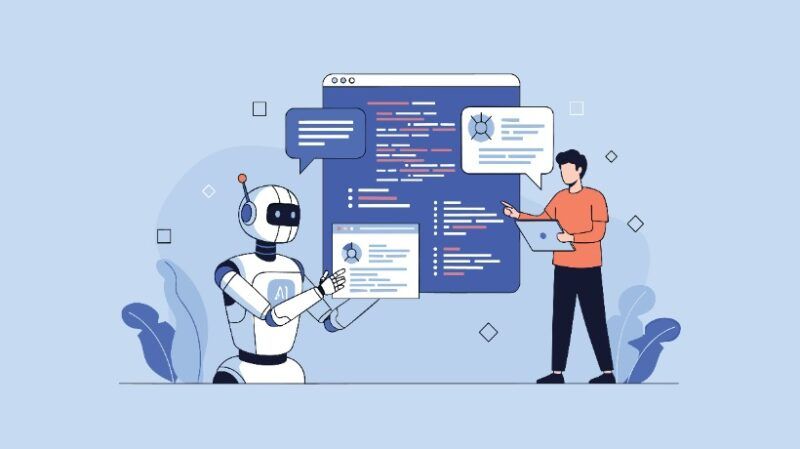
Agentic AI systems are automating core functions in instructional design, enabling educators and training professionals to build courses faster while personalizing learning paths for individual students.
These AI agents handle routine design tasks including content structuring, assessment creation, and learner analytics. Rather than designers spending weeks mapping course architecture, agentic systems now generate initial frameworks in hours. The technology identifies optimal sequencing of lessons, suggests multimedia elements, and flags gaps in learning objectives automatically.
Personalization has become more granular. Agentic AI tracks student progress in real time and adjusts difficulty levels, pacing, and content formats based on demonstrated mastery. A student struggling with math concepts receives additional scaffolding and alternative explanations. A student progressing quickly moves forward without bottlenecks. This individualization scales across hundreds or thousands of learners simultaneously.
Assessment design improved through AI agents that generate quiz questions aligned to learning objectives, flag poorly-performing assessments, and identify which content areas need reinforcement. The systems measure learning impact by correlating course interactions with performance outcomes, revealing which instructional approaches actually work.
The shift demands new skills from instructional designers. Rather than coding HTML or manually building branching scenarios, designers now supervise AI agents, review their outputs for accuracy and bias, and make creative decisions about overall learning strategy. Quality control matters more than ever, since flawed AI outputs can derail entire courses.
Implementation varies by organization. Corporate training departments adopting agentic AI report 30-40 percent faster course deployment. Higher education institutions move more cautiously, balancing efficiency gains against concerns about faculty roles and academic integrity in assessment design.
The technology also creates challenges. AI-generated content sometimes oversimplifies complex topics or misses cultural context. Instructional designers must validate that personalized paths don't inadvertently lower standards for certain student groups. Accessibility compliance requires human oversight since agen