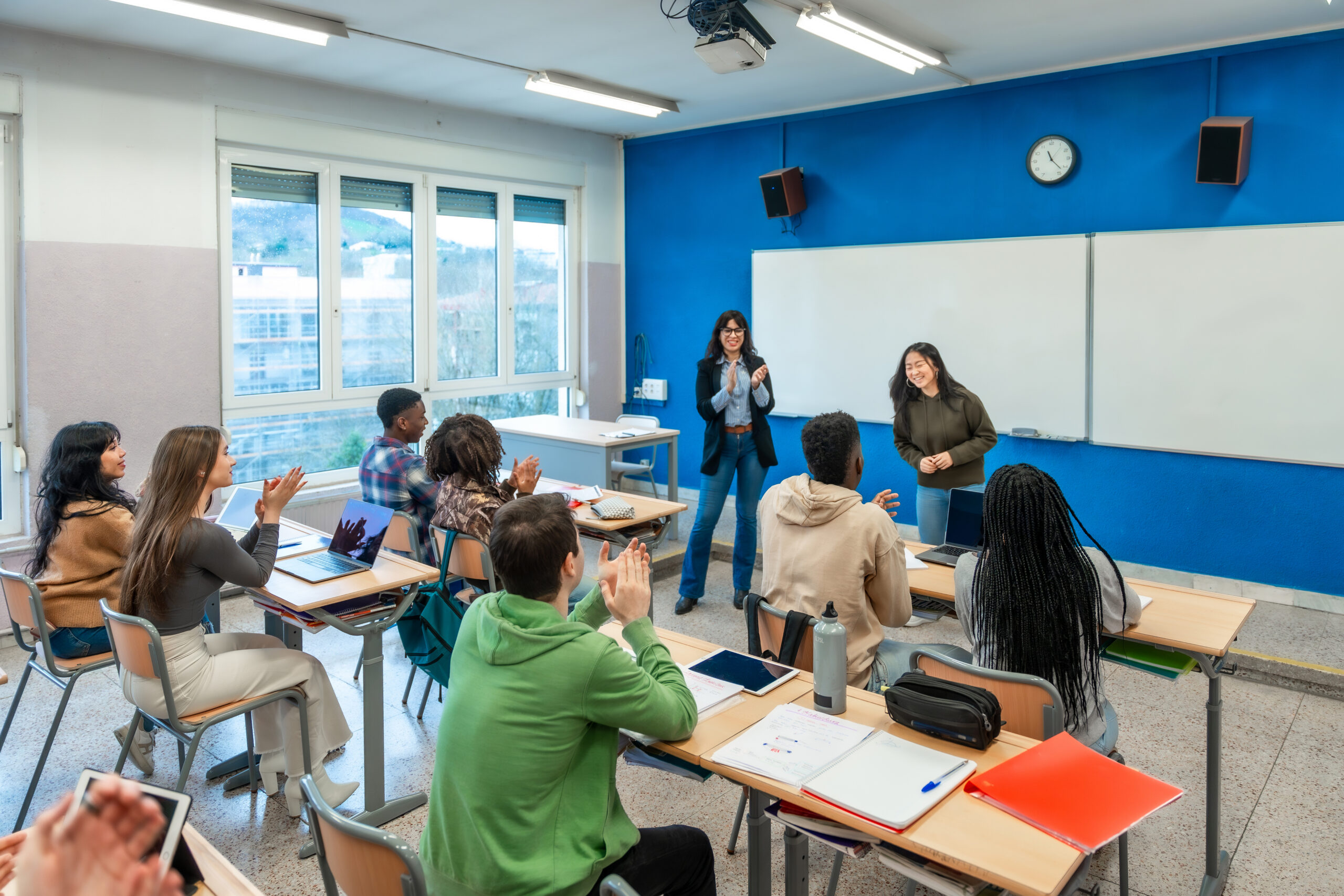
College faculty are redesigning classrooms to prioritize psychological safety alongside academic learning, using cooperative learning and experiential activities as core tools.
Psychological safety—the belief that one can take interpersonal risks without fear of embarrassment or punishment—shapes student belonging, engagement, and well-being. Research shows that when instructors intentionally structure collaborative work and hands-on learning experiences, students report higher levels of comfort participating in class discussions and group projects.
The approach hinges on pedagogical content knowledge (PCK), the ability to teach specific subject matter effectively. Instructors who combine strong PCK with cooperative learning create conditions where students feel safe making mistakes, asking questions, and contributing ideas. Experiential activities reinforce this by giving students concrete opportunities to practice skills and learn from failure in lower-stakes environments.
Faculty Focus reports that this shift reflects broader recognition in higher education that academic achievement alone cannot predict student success. Institutions increasingly measure outcomes including sense of belonging, motivation, and mental health alongside grades and test scores. Cooperative learning structures—such as small-group problem solving, peer teaching, and structured discussions—require students to rely on one another, building relationships and mutual accountability.
Experiential learning deepens the effect. When students engage in simulations, case studies, field work, or project-based assignments, they connect abstract concepts to real-world problems. This concrete engagement reduces anxiety about performance and shifts focus from individual competition to collective problem-solving.
The evidence suggests that these practices benefit all students but particularly support historically underrepresented groups who face additional barriers to belonging in academic spaces. When classrooms foster psychological safety through deliberate collaboration, students of color, first-generation students, and others often report improved retention and academic confidence.
Implementation requires intentional design. Instructors must establish clear norms for respectful collaboration, assign roles in group work, use formative feedback rather than judgment, and reflect on how