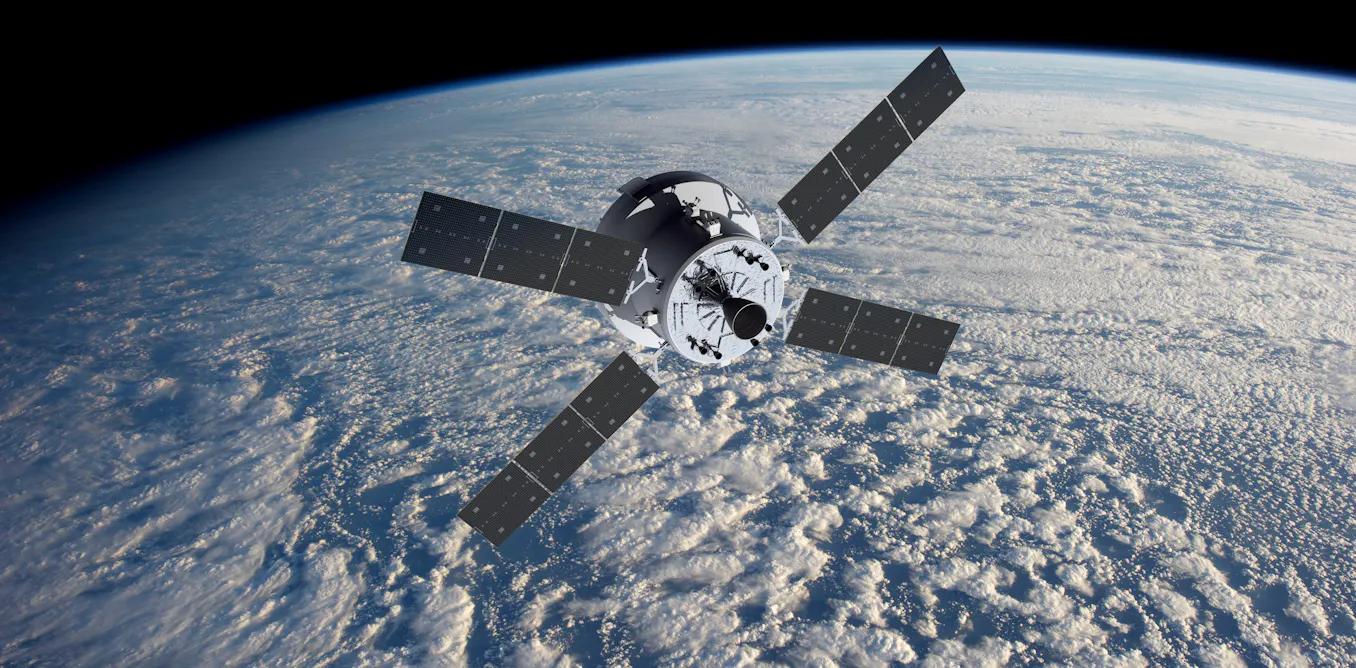
NASA announced its Artemis III lunar mission crew on Monday, designating astronauts Reid Wiseman, Victor Glover, and Christina Koch to land on the Moon alongside a fourth crew member from an international partner. The announcement marks progress toward NASA's goal of returning humans to the lunar surface for the first time since 1972.
However, the selection comes amid serious setbacks to the broader lunar timeline. Blue Origin's New Glenn heavy-lift rocket exploded during its inaugural flight test in late December 2024, dealing a major blow to NASA's Moon transportation plans. The New Glenn was slated to launch cargo and equipment to lunar orbit, a critical role in preparing for the Artemis III mission.
The rocket failure compounds existing delays. NASA's Space Launch System, the primary vehicle for launching Artemis astronauts, has faced repeated technical issues and cost overruns. The agency now faces a two-rocket dependency problem. Without New Glenn operational, alternatives become limited and expensive. Competing options like SpaceX's Starship or United Launch Alliance's Vulcan face their own development timelines and capacity constraints.
NASA had originally targeted 2025 for Artemis III. Current projections now point to 2026 or 2027 at the earliest, with some experts suggesting delays could extend further.
The three named crew members bring extensive experience. Wiseman commanded multiple International Space Station missions. Glover piloted the SpaceX Crew-7 mission to the ISS. Koch participated in the longest continuous spaceflight by a woman, logging 328 days aboard the station.
NASA will select the fourth crew member, representing an international partner nation, at a later date. The agency plans to establish a sustained human presence on the Moon as a stepping stone toward eventual Mars exploration.
The New Glenn setback underscores the fragility of ambitious space infrastructure timelines