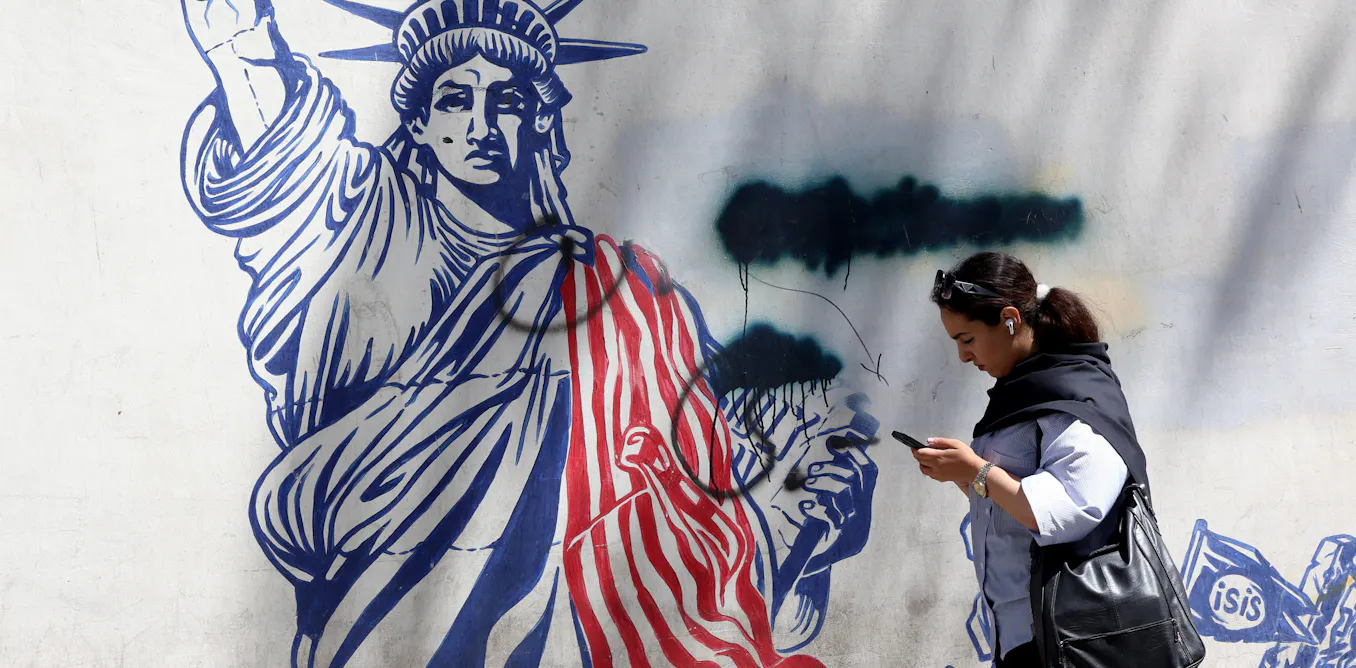
Iran's nuclear negotiations with the incoming Trump administration mirror tactics the regime deployed during the 1979 hostage crisis, according to analysis of Iranian political strategy. The Islamic Republic has historically used prolonged confrontations to extract concessions while consolidating internal support through nationalist sentiment.
During the 444-day hostage crisis, Iran deliberately extended negotiations beyond what was militarily or diplomatically necessary. The regime gained leverage by appearing resolute against American pressure while managing domestic politics through the crisis narrative. That same pattern appears evident in current nuclear talks, where Iran controls the pace of engagement.
Trump administration officials signal intent to renegotiate or abandon the 2015 Joint Comprehensive Plan of Action (JCPOA), the multilateral nuclear agreement that limited Iran's uranium enrichment. Iran has responded by resuming higher-level enrichment and advancing its nuclear program, creating bargaining leverage rather than immediately capitulating.
Experts note Iran's regime operates from a position of institutional resilience. The country has survived decades of sanctions, regional isolation, and military threats. This durability gives Iranian negotiators confidence in outlasting diplomatic pressure. The regime also benefits domestically when confrontation with the US intensifies, as it reinforces the narrative of external threat and validates the Islamic Republic's security apparatus.
For Trump to achieve what he considers an acceptable deal, analysts suggest he must acknowledge Iran's structural incentives. Quick capitulation serves neither side. Iran won't abandon nuclear ambitions without substantive concessions on sanctions relief and security guarantees. The US won't lift sanctions without verifiable nuclear constraints.
The negotiation timeline matters. Iran can sustain tension longer than administrations facing election cycles or domestic political pressure for foreign policy wins. Understanding this asymmetry shapes realistic expectations for any agreement.
Previous attempts to force Iranian compliance through maximum pressure campaigns produced escalation rather than compromise. Military strikes remain possible but carry unpredictable consequences across the